What Is Hot Tire Pickup? Why Colorado Garage Floors Peel in Spring

Many Colorado homeowners notice a frustrating problem each spring: sections of their garage floor coating begin to peel, flake, or lift—often in the exact spots where vehicles are parked. In many cases, this issue is caused by a phenomenon known as hot tire pickup.
Hot tire pickup occurs when heated vehicle tires temporarily soften the surface of a garage floor coating. When the vehicle moves, the softened coating can separate from the concrete, pulling sections of the coating away from the floor. The result is peeling or patchy areas that worsen over time.
Understanding why hot tire pickup happens, especially after Colorado winters, can help homeowners choose coating systems designed to withstand harsh conditions and prevent premature failure.
What Is Hot Tire Pickup?
Hot tire pickup refers to the loss of adhesion between a garage floor coating and the concrete surface caused by hot vehicle tires. As tires heat up during driving, they retain warmth when a car is parked inside the garage. When those hot tires sit on a coated floor, they can soften certain coating materials.
If the bond between the coating and concrete is weak—or if the coating material cannot handle the heat—sections of the coating may stick to the tires when the vehicle moves.
This process leaves behind visible damage such as:
- Peeling or flaking patches where tires were parked
- Bare concrete exposed beneath the coating
- Coating fragments attached to the tire tread
Hot tire pickup is one of the most common causes of garage coating peeling near parking areas.
Why Hot Tire Pickup Happens More Often in Spring
While hot tire pickup can occur year-round, many homeowners first notice the problem during the spring months. This timing is not a coincidence.
Colorado winters create several conditions that increase the likelihood of coating failure.
During winter driving, vehicles bring snow, ice, road salt, and moisture into the garage. These materials accumulate on the garage floor throughout the season.
Over time, this mixture of water and chemicals can weaken the bond between the coating and the concrete surface. Homeowners who follow proper seasonal preparation—such as the strategies outlined in preparing your concrete floor for fall and winter in Denver—can often reduce this type of damage.
When spring arrives, warmer temperatures begin to dry the garage floor and expose any areas where adhesion has already been compromised. As tires heat up during longer drives and warmer weather, the coating becomes more vulnerable to lifting.
The combination of winter damage and warm tire temperatures often leads to coating failure shortly after winter ends.
How Tire Heat Affects Garage Floor Coatings
Vehicle tires generate heat through friction while driving. Even short trips can warm tires significantly, and longer drives can raise tire temperatures even more.
When a vehicle enters the garage and remains parked, the heated tires transfer warmth directly to the coating beneath them.
If the coating material softens under heat, the following process can occur:
- Heat from the tire softens the coating surface
- The coating becomes slightly flexible or tacky
- As the tire cools, the coating may bond temporarily to the rubber
- When the vehicle moves, the coating lifts off the concrete
Coatings that lack strong adhesion or heat resistance are especially vulnerable to this type of failure. Homeowners researching common garage floor coating myths often discover that not all coatings are designed to handle real-world conditions like tire heat and chemical exposure.
Winter Salt and Moisture Make the Problem Worse
In Colorado, hot tire pickup rarely happens alone. Winter conditions often weaken the coating long before spring arrives.
Road salt and deicing chemicals tracked into garages can gradually damage coatings and penetrate small cracks in the surface. Moisture from melting snow can seep into the concrete beneath the coating.
Over time, this moisture intrusion can weaken the bond between the coating and the slab.
When the coating is already partially compromised, the pressure and heat from parked tires can easily pull sections of the coating loose.
This is why garage floors often begin peeling in the exact areas where vehicles park.
Improper Surface Preparation
Another major cause of hot tire pickup is poor installation practices. Garage floor coatings must be applied to properly prepared concrete in order to achieve strong adhesion.
If the concrete surface is not prepared correctly before the coating is applied, the coating may only adhere to surface contaminants instead of bonding with the concrete itself.
Common preparation problems include:
- Oil or grease remaining on the concrete surface
- Dust or debris is preventing proper bonding
- Failure to mechanically grind the concrete
When preparation is incomplete, even high-quality coatings may fail prematurely.
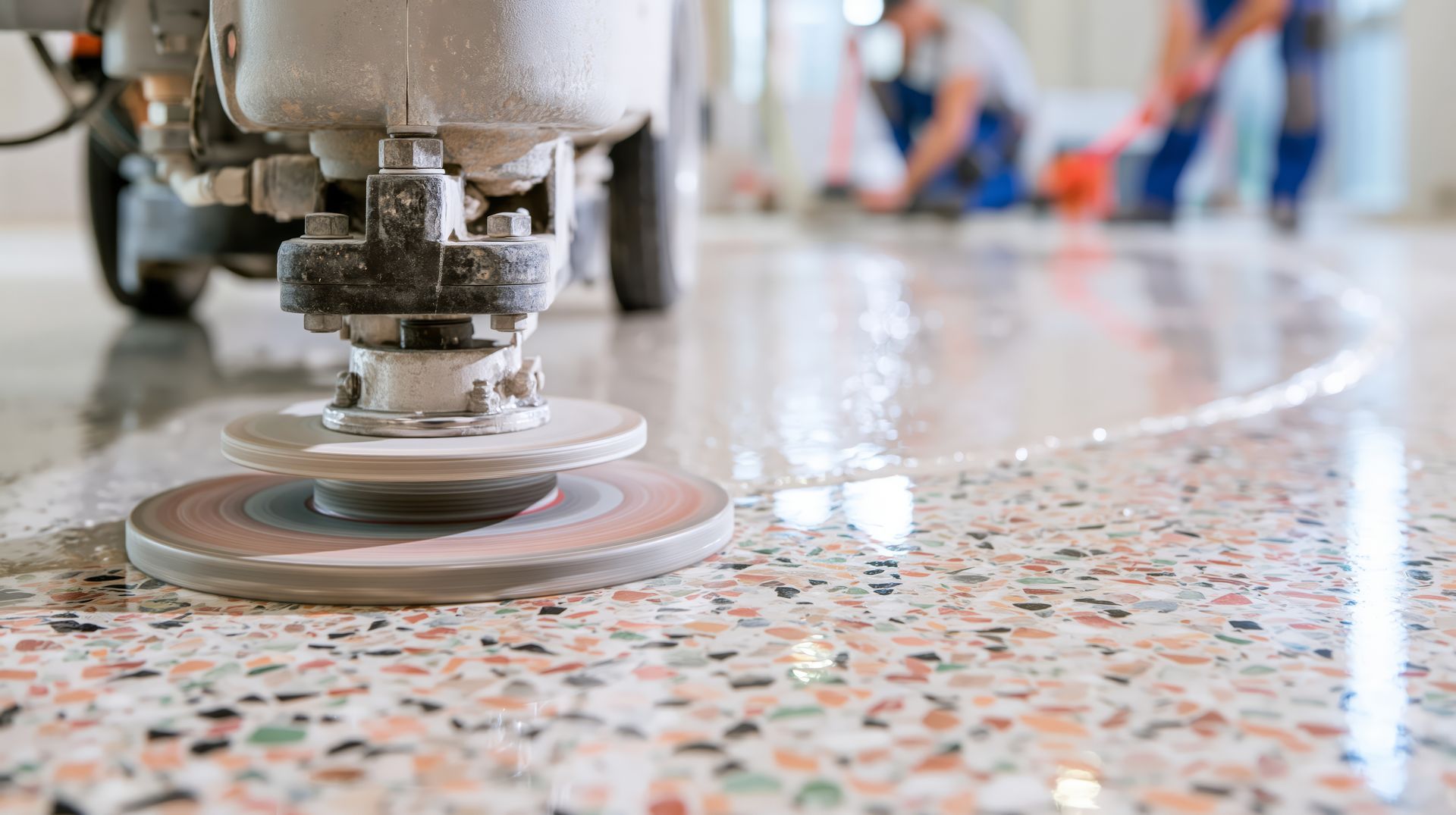
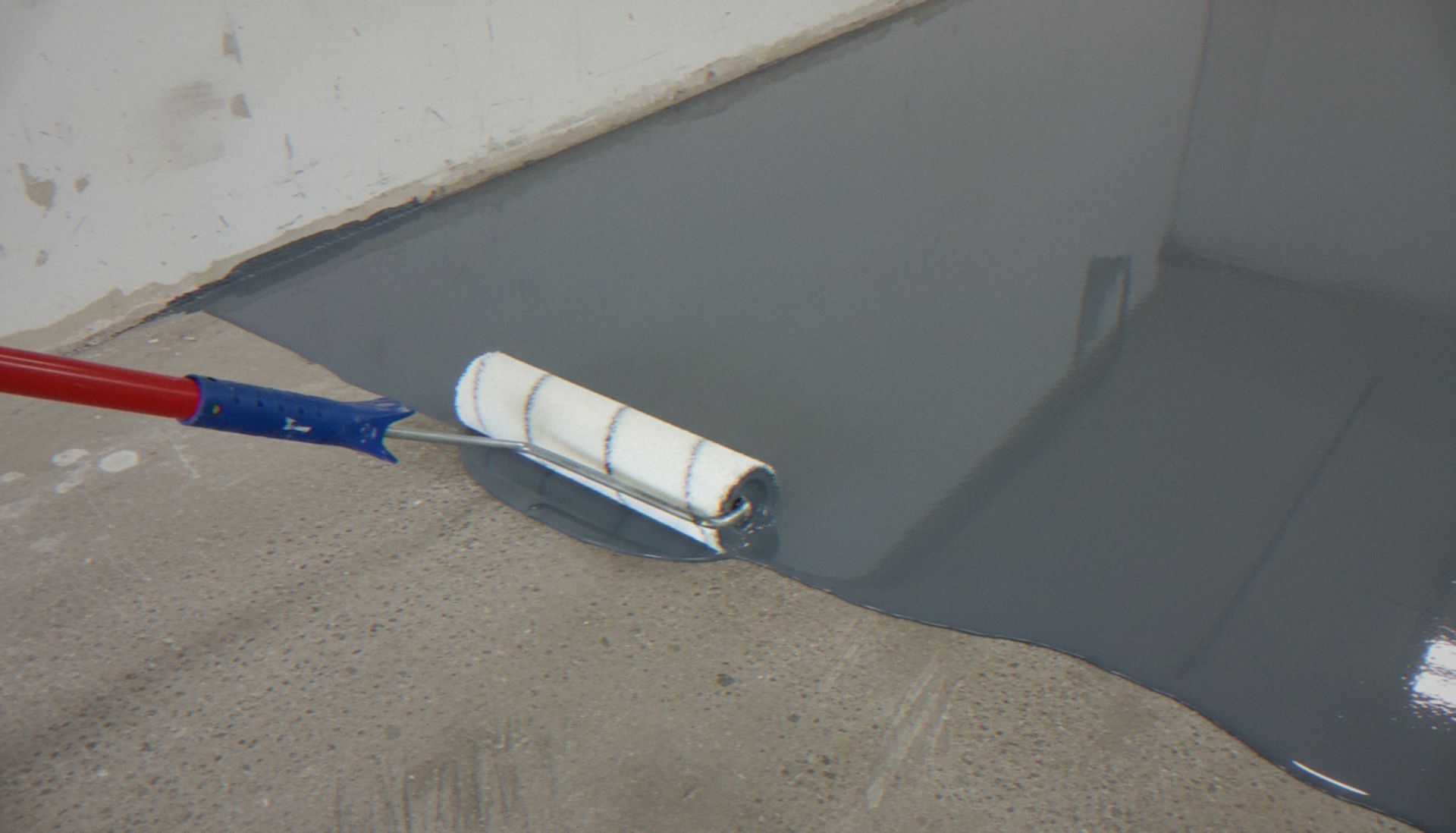
Professional installation processes typically involve mechanical grinding or shot blasting of the concrete surface. These steps create the rough texture needed for coatings to bond effectively, which is why experienced installers follow a structured application method like the one outlined in the Keas Concrete Coatings installation process.
Low-Quality Coating Materials
Not all garage floor coatings are designed to handle the stress caused by hot tires. Some coatings—particularly thin or low-cost epoxy products—are more susceptible to heat softening.
Lower-grade coatings may struggle with:
- Heat resistance
- Chemical exposure from road salts
- Adhesion to dense concrete surfaces
When coatings soften easily under tire heat, the risk of hot tire pickup increases significantly.
High-performance coating systems are formulated with stronger resins and additives that improve heat resistance and durability.
These systems are designed to maintain their structural integrity even when exposed to repeated temperature changes.
Warning Signs of Hot Tire Pickup
Homeowners often notice the first signs of hot tire pickup after moving their vehicle out of the garage.
Common symptoms include:
- Peeling patches where tires were parked
- Coating fragments attached to tire tread
- Bare concrete spots beneath the vehicle area
These areas may expand over time as moisture and temperature changes continue to weaken the surrounding coating.
Once peeling begins, it rarely stops on its own.
How Professional Coating Systems Prevent Hot Tire Pickup
High-quality garage floor coatings are designed specifically to prevent problems like hot tire pickup.
Professional coating systems address several key factors that cause coating failure.
First, proper surface preparation ensures the coating bonds directly to the concrete slab. Mechanical grinding removes contaminants and creates the ideal surface profile for adhesion.
Second, professional installers test the concrete for moisture before applying coatings. This step helps prevent moisture-related adhesion problems.
Third, advanced coating materials are selected for durability and resistance to heat, chemicals, and moisture.
Many professional coating systems use specialized polyurea or polyaspartic materials that are significantly more resistant to heat and tire pressure than basic epoxy coatings.
These systems maintain strong adhesion even after years of exposure to temperature changes and vehicle traffic.
Preventing Garage Floor Coating Failure
While some environmental factors are unavoidable, homeowners can reduce the risk of coating failure by ensuring their garage floor coating is installed properly.
Key factors that improve long-term durability include:
- Professional surface preparation of the concrete
- Moisture testing before coating installation
- Use of high-performance coating materials
Choosing the right coating system can make a significant difference in how well a garage floor withstands Colorado’s demanding climate.
Frequently Asked Questions About Hot Tire Pickup
What causes hot tire pickup on garage floors?
Hot tire pickup occurs when heated vehicle tires soften a garage floor coating and pull it away from the concrete surface when the vehicle moves.
Why do garage floors peel where cars are parked?
The combination of tire heat, moisture, road salt, and pressure from parked vehicles can weaken coatings and cause peeling in parking areas.
Is hot tire pickup common in Colorado?
Yes. Colorado’s winter conditions, including road salt and moisture from snow, often weaken coatings and increase the risk of hot tire pickup in spring.
Can peeling garage floor coatings be repaired?
Minor areas may sometimes be repaired, but extensive peeling often requires removing the damaged coating and installing a new system.
How do professional coatings prevent hot tire pickup?
Professional coatings use advanced materials and proper surface preparation techniques to ensure strong adhesion and resistance to heat and chemicals.
Protecting Your Garage Floor from Hot Tire Pickup
Hot tire pickup is a common reason garage floor coatings begin peeling after winter in Colorado. The combination of heated tires, moisture, road salt, and temperature fluctuations can quickly expose weaknesses in coating materials or installation methods.
Understanding why garage floor coatings fail helps homeowners choose systems designed to handle real-world conditions. With proper surface preparation and high-performance materials, garage floor coatings can remain durable and attractive even after years of exposure to vehicles and Colorado weather.
Keas Concrete Coatings provides professionally installed garage floor coating systems designed to resist hot tire pickup, winter damage, and everyday wear. With the right installation process and materials, homeowners can protect their garage floors and avoid the frustration of peeling coatings each spring.