Commercial Winter Floors: Slip-Resistance & Safety Standards
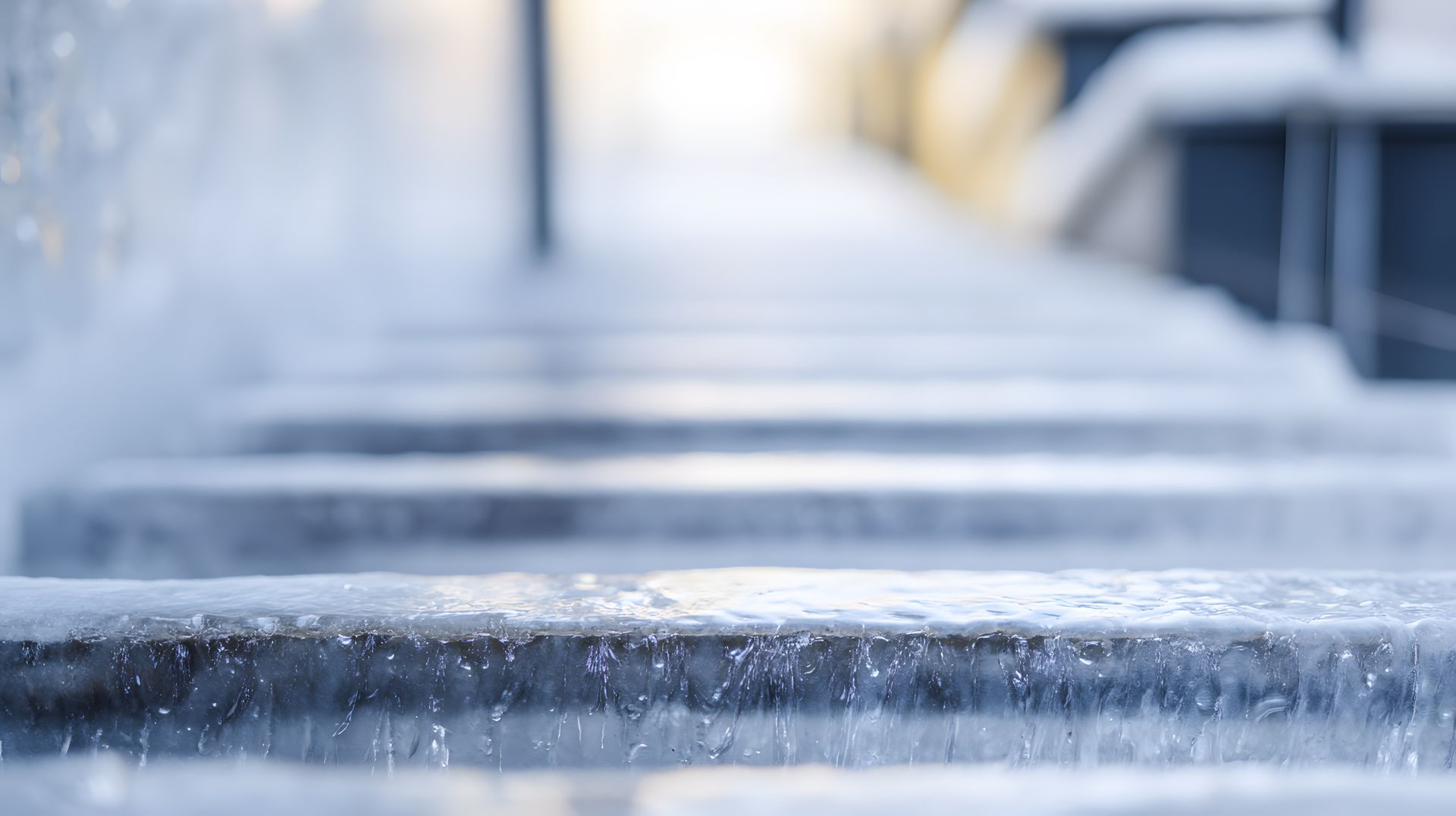
Winter creates serious safety challenges for commercial spaces across Denver and Colorado Springs. Snow, ice, tracked-in moisture, and deicing chemicals increase slip risks for employees, customers, and delivery personnel. For small businesses, warehouses, and restaurants, winter floor safety is not just a maintenance concern—it is a liability and compliance issue.
Commercial concrete floor coatings designed for slip resistance play a critical role in reducing winter hazards. This guide explains how slip-resistant coatings support OSHA and ANSI traction standards, what those standards actually mean, and how the right flooring system helps businesses maintain safer environments during Colorado’s harsh winter months.
Why Winter Floor Safety Is a Serious Business Risk
Slip-and-fall incidents are one of the most common causes of workplace injuries, especially during winter. Moisture tracked inside from snow and ice creates slick conditions near entrances, loading areas, kitchens, and walkways.
In commercial settings, these risks are amplified by higher foot traffic, rolling equipment, and tight operational schedules. A single fall can lead to injuries, lost productivity, workers’ compensation claims, or liability exposure—particularly inhigh-traffic commercial spaces.
Winter floor hazards typically increase due to:
- Water and snow melt on interior floors
- Deicing chemicals reducing surface traction
- Smooth or worn flooring materials
- High traffic concentrating moisture in key areas
Flooring systems must be designed to manage these conditions, not just withstand them.
Understanding Slip Resistance and Traction Standards
Slip resistance refers to how well a floor surface maintains traction under dry and wet conditions. In commercial environments, traction is often measured using industry standards developed by OSHA and ANSI.
While OSHA does not mandate a single numerical coefficient of friction, it requires employers to maintain walking surfaces that are clean, dry, and safe. ANSI standards, such as ANSI A326.3, provide testing methods to evaluate slip resistance, especially under wet conditions.
For businesses, this means flooring should:
- Provide consistent traction when wet
- Reduce the likelihood of sudden slips
- Support safe movement for pedestrians and workers
Slip-resistant coatings help businesses align with these safety expectations, especially inretail and customer-facing environments where slip resistance is critical.
How Commercial Floor Coatings Improve Slip Resistance
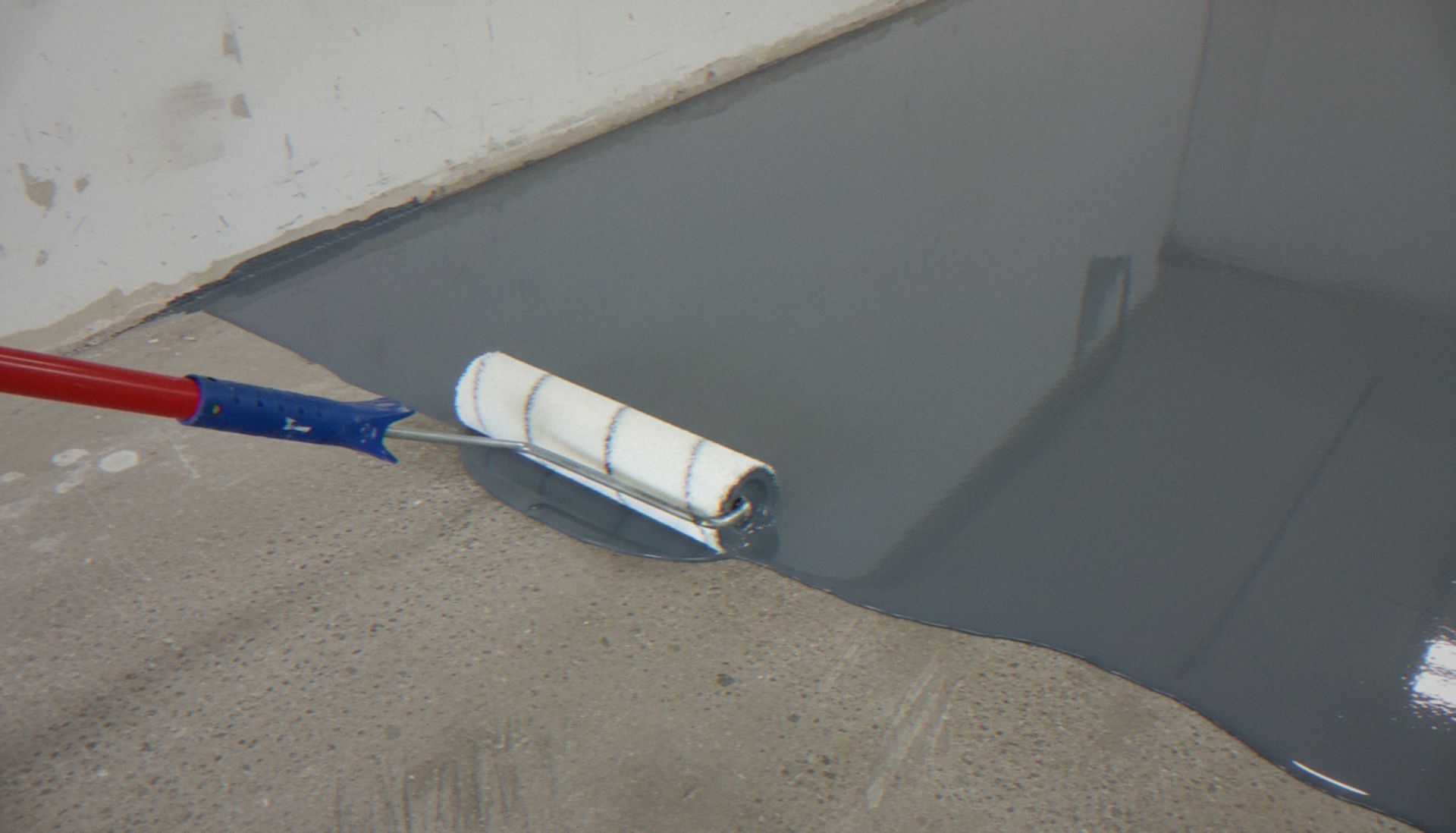
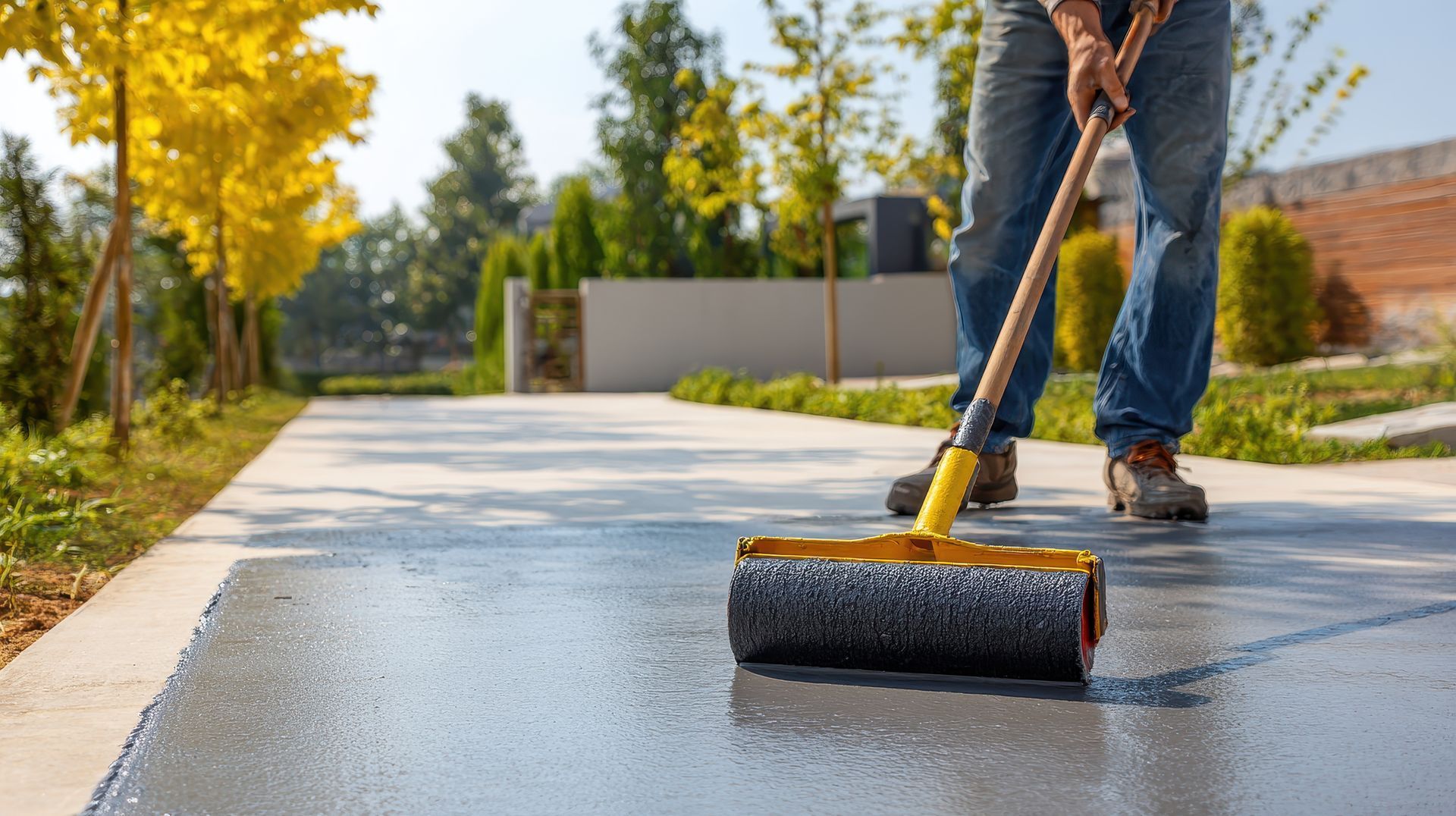
Commercial concrete floor coatings can be engineered with textured finishes or aggregates that improve traction without creating surfaces that are difficult to clean. This balance is especially important in winter, when floors must remain both safe and sanitary.
Slip-resistant coatings are commonly used in:
- Entryways and transition zones
- Warehouses and loading docks
- Commercial kitchens and food prep areas
- Manufacturing and storage facilities
By increasing surface friction, these coatings reduce slip hazards caused by moisture and residue.
Slip-Resistant Flooring Requirements at a Glance
The table below shows how slip-resistant concrete coatings align with common winter safety and compliance needs.
Wet traction is a critical winter flooring requirement due to snow and meltwater being tracked indoors. Coating systems with textured surfaces improve grip, reducing slip-and-fall risks.
Chemical resistance is necessary because of exposure to deicing products such as salt and brine. High-performance coatings resist chemical breakdown and surface deterioration.
Durability becomes essential in winter environments with high foot traffic and heavy equipment use. Properly installed coatings maintain surface integrity and traction over time.
Cleanability supports sanitation requirements, especially in commercial or industrial settings. Seamless coating systems create easy-to-clean surfaces that prevent moisture and contaminants from penetrating the floor.
Compliance support helps facilities align with OSHA and ANSI safety guidance. While not a substitute for formal compliance programs, properly specified coatings contribute to meeting established safety expectations.
This combination makes commercial coatings a practical winter safety solution.
Balancing Safety and Cleanability in Commercial Spaces
One common concern is that adding texture to floors may make them harder to clean. Modern commercial coatings are designed to avoid this problem.
Properly formulated slip-resistant coatings provide traction without deep grooves or porous surfaces. This allows businesses to maintain sanitation protocols while still improving safety.
For restaurants and healthcare-adjacent spaces, this balance is essential. Floors must support frequent cleaning without becoming slippery once wet.
Why Winter Slip Resistance Matters for Different Industries
Different commercial environments face unique winter challenges. Warehouses deal with heavy equipment and loading areas, while restaurants manage constant spills and customer traffic.
Slip-resistant floor coatings support winter safety by:
- Reducing fall risks for employees and guests
- Improving confidence in high-traffic areas
- Supporting safer material handling
- Minimizing downtime from accidents
Industry-appropriate coatings help ensure safety without disrupting operations.
Common Winter Floor Safety Mistakes Businesses Make
Some businesses rely solely on mats and signage to address winter slip risks. While helpful, these measures are not always enough on their own.
Common mistakes include:
- Using smooth flooring in wet-prone areas
- Allowing coatings to wear down without reapplication
- Relying only on temporary mats
- Ignoring chemical residue buildup
Permanent slip-resistant flooring solutions provide a more reliable layer of protection.
Commercial Winter Floor Safety FAQs
Do slip-resistant coatings meet OSHA requirements?
Slip-resistant coatings help support OSHA’s requirement for safe walking surfaces, though compliance depends on overall facility practices.
Can slip-resistant floors still be cleaned easily?
Yes. Modern coatings are designed to balance traction with cleanability.
Are these coatings suitable for restaurants and kitchens?
Yes. Many commercial kitchens use slip-resistant coatings to improve safety while maintaining sanitation standards.
Do coatings lose traction over time?
High-quality commercial coatings maintain traction when properly installed and maintained.
Is winter the only time slip resistance matters?
No. While winter increases risk, slip-resistant floors provide year-round safety benefits.
Key Takeaways for Commercial Winter Floor Safety
- Winter increases slip-and-fall risk in commercial spaces
- Slip-resistant coatings improve traction under wet conditions
- Coatings support OSHA and ANSI safety expectations
- Textured systems balance safety and cleanability
- Long-term flooring solutions reduce liability exposure
Floor safety is an investment in people and operations.
Keas Concrete Coatings provides professional commercial concrete floor coating services in Denver and Colorado Springs, CO, helping businesses improve winter safety through slip-resistant, durable flooring systems. If your facility needs safer floors designed to handle winter conditions and high traffic, contact Keas Concrete Coatings at 303-999-8121 to discuss commercial floor coating solutions.