Polyaspartic vs Epoxy: Which Garage Floor Coating Is Better for Colorado Homes?
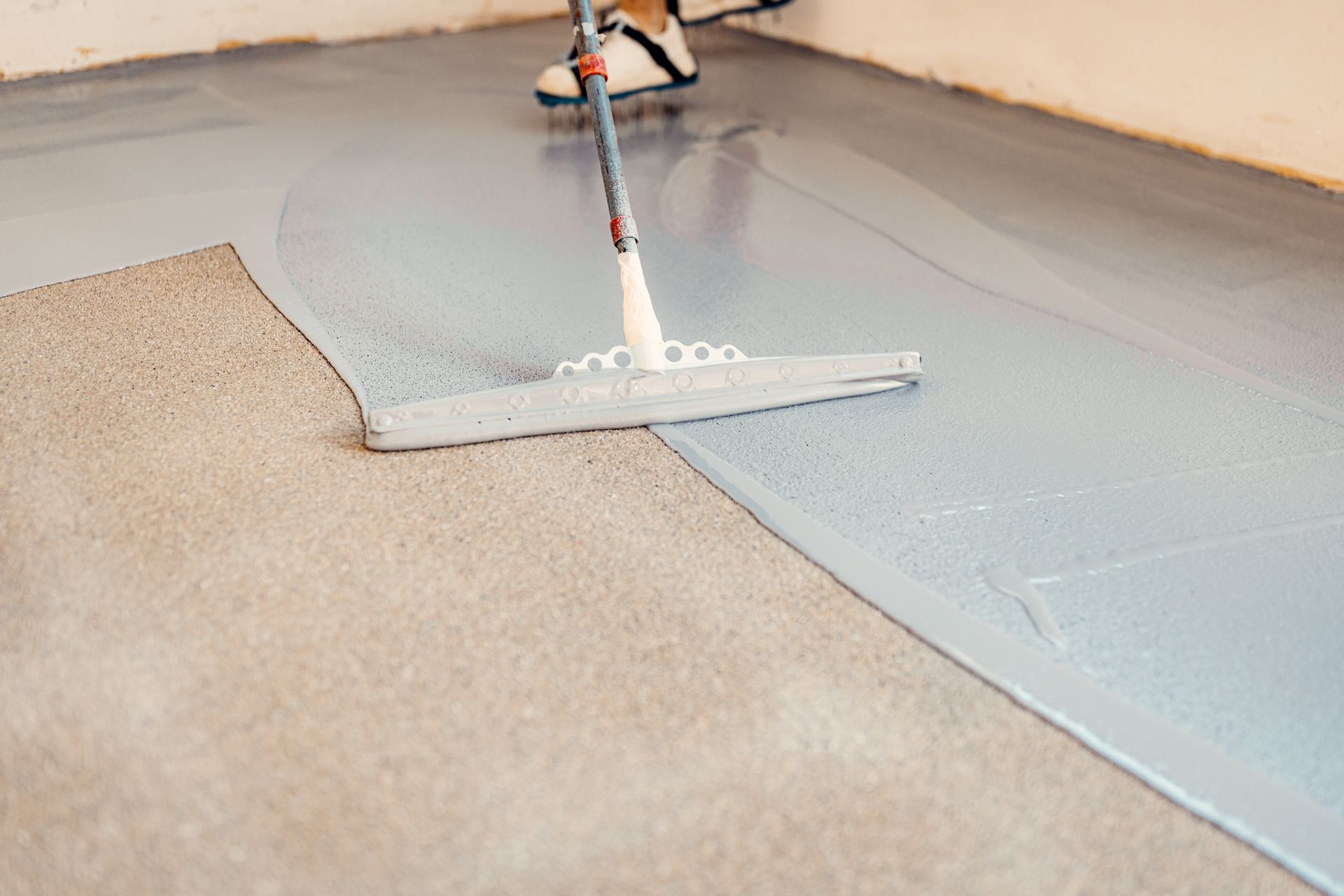
Garage floor coatings have become a popular upgrade for homeowners who want a cleaner, more durable, and more attractive garage space. However, when comparing coating systems, many homeowners quickly discover that most professional installers recommend either epoxy coatings or polyaspartic coatings.
Both systems are designed to protect concrete and improve the appearance of garage floors, but they perform differently in Colorado’s demanding climate. Between winter road salt, freeze-thaw cycles, moisture exposure, and intense UV sunlight at higher elevations, garage floors in Colorado face unique conditions that can affect how well a coating system performs over time.
Understanding the differences between polyaspartic vs epoxy garage floor coatings helps homeowners choose the right system for durability, maintenance, and long-term performance.
Why Garage Floor Coatings Matter in Colorado
Concrete garage floors in Colorado are exposed to more environmental stress than many homeowners realize. During winter months, vehicles bring in snow, ice, and de-icing salts that can slowly degrade unprotected concrete surfaces. In spring and summer, moisture and temperature swings can cause expansion, contraction, and gradual surface wear.
A professionally installed coating system creates a protective barrier that helps prevent:
- Concrete surface erosion
- Chemical staining from automotive fluids
- Salt damage from winter road treatments
Beyond protection, coatings also improve the appearance of the garage by creating a clean, sealed surface that is easier to maintain.
However, the effectiveness of the coating often depends on the material used. The two most common systems homeowners encounter when comparing options are epoxy and polyaspartic coatings.
What Is an Epoxy Garage Floor Coating?
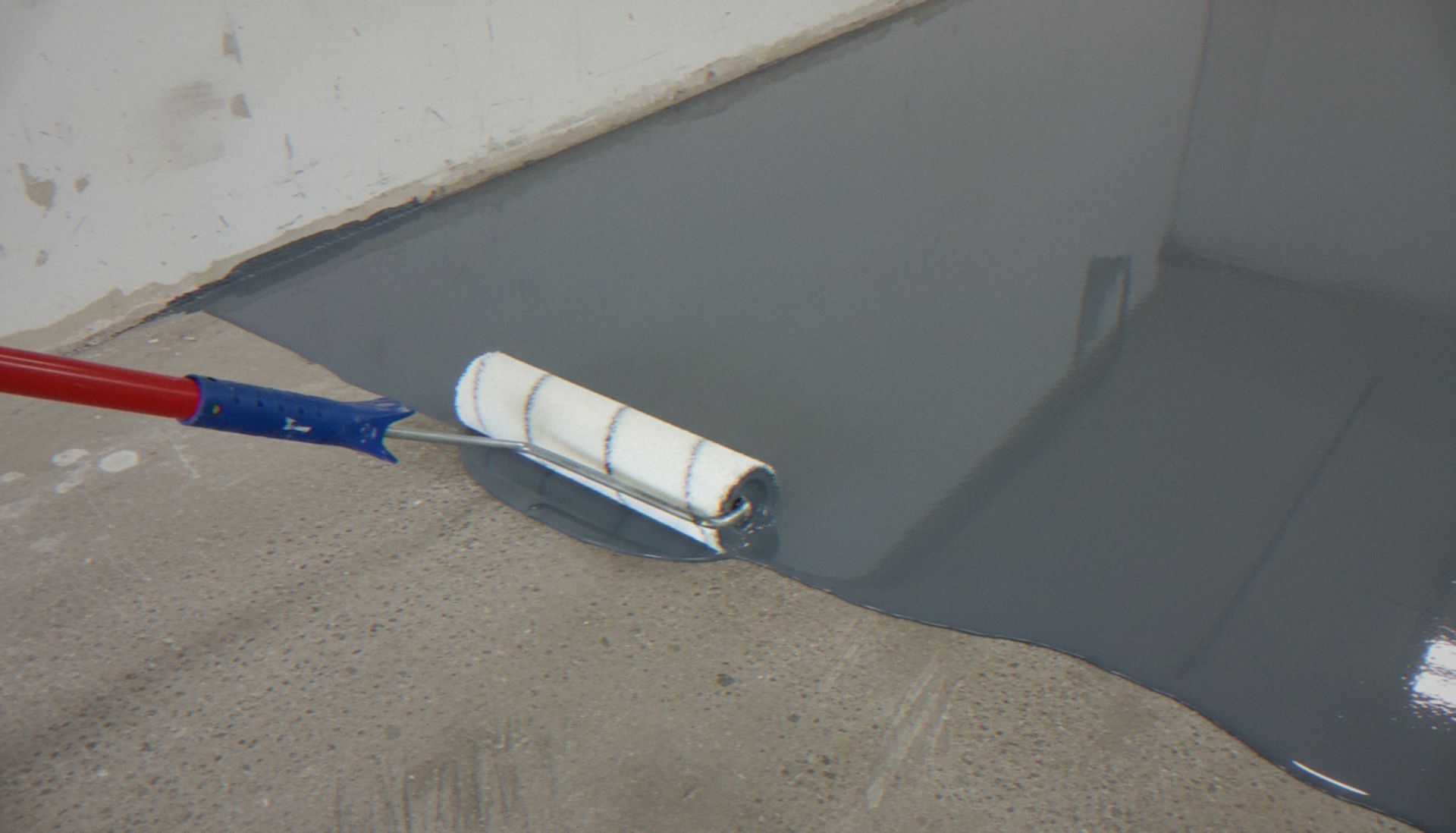
Epoxy coatings have been used for decades in residential, commercial, and industrial environments. These coatings are typically made from a combination of epoxy resin and a hardening agent that chemically reacts to create a rigid protective surface.
Once cured, epoxy coatings form a thick layer that bonds to the concrete and provides resistance against stains, abrasions, and many chemicals.
Epoxy systems are commonly used in garages because they offer several advantages:
- Thick protective coating layer
- Strong adhesion to properly prepared concrete
- Attractive decorative finishes with color flakes
Because epoxy coatings cure slowly, installers usually apply them in multiple layers over several days. This slower curing time can allow the material to penetrate the concrete surface more deeply, helping to create a solid bond.
However, epoxy also has some limitations that become more noticeable in climates like Colorado.
Limitations of Epoxy Coatings in Colorado
Although epoxy coatings can provide durable protection, they can be more sensitive to environmental conditions during installation and long-term use.
One of the most common issues with epoxy coatings is UV sensitivity. Epoxy surfaces exposed to direct sunlight can gradually yellow or discolor over time. While garages typically receive less sunlight than outdoor surfaces, floors near garage doors may still experience some fading.
Epoxy also requires specific temperature conditions during installation. Cold temperatures can slow curing, while excessive moisture may interfere with bonding. In Colorado’s variable climate, installers often need controlled conditions to apply epoxy properly.
Another limitation is that epoxy coatings can be somewhat rigid once cured. If the underlying concrete expands and contracts due to temperature changes, the coating may be more prone to cracking or delamination over time.
These factors have led many modern installers to consider alternative systems such as polyaspartic coatings.
What Is a Polyaspartic Garage Floor Coating?
Polyaspartic coatings are part of the polyurea family of materials originally developed for industrial applications. In recent years, they have become increasingly popular for residential garage floor installations because of their flexibility and durability.
Polyaspartic coatings cure much faster than epoxy. In many cases, the entire system can be installed in a single day, allowing homeowners to return to using their garage sooner.
One of the key advantages of polyaspartic coatings is their ability to perform well in a wide range of environmental conditions. These systems often tolerate cooler temperatures and varying humidity levels better than traditional epoxy systems.
Polyaspartic coatings also offer excellent UV stability, which means they are far less likely to discolor when exposed to sunlight.
Because of these characteristics, polyaspartic systems are frequently recommended for garage floors in Colorado homes.
Comparing Polyaspartic vs Epoxy Performance
When evaluating epoxy vs polyaspartic garage floor coatings, several performance factors are worth considering. Each material has strengths, but their suitability can depend on climate conditions and homeowner priorities.
Durability and Flexibility
Polyaspartic coatings tend to be more flexible than epoxy systems. This flexibility allows the coating to move slightly with the concrete as temperatures change.
In climates with significant temperature swings—such as Colorado—this flexibility can reduce the likelihood of cracking or delamination over time.
Epoxy coatings, while durable, are typically more rigid once cured. In environments with frequent freeze-thaw cycles, that rigidity may make them slightly more vulnerable to stress over many years.
UV Resistance
Sunlight exposure is another important difference between these two materials.
Epoxy coatings can gradually yellow or fade when exposed to ultraviolet light. While this may not affect structural performance, it can impact the appearance of the floor.
Polyaspartic coatings, by contrast, are highly resistant to UV radiation. This makes them a strong option for garages that receive significant sunlight near the entrance.
Installation Time
Installation timelines can vary significantly between epoxy and polyaspartic systems.
Epoxy coatings often require several days to complete because each layer must cure before the next one is applied. In addition, garages must remain unused during this curing period.
Polyaspartic systems cure much faster. Many professional installers can complete the entire coating system in a single day, allowing homeowners to return vehicles to the garage much sooner.
For busy households, this faster installation can be a major advantage.
Moisture Tolerance
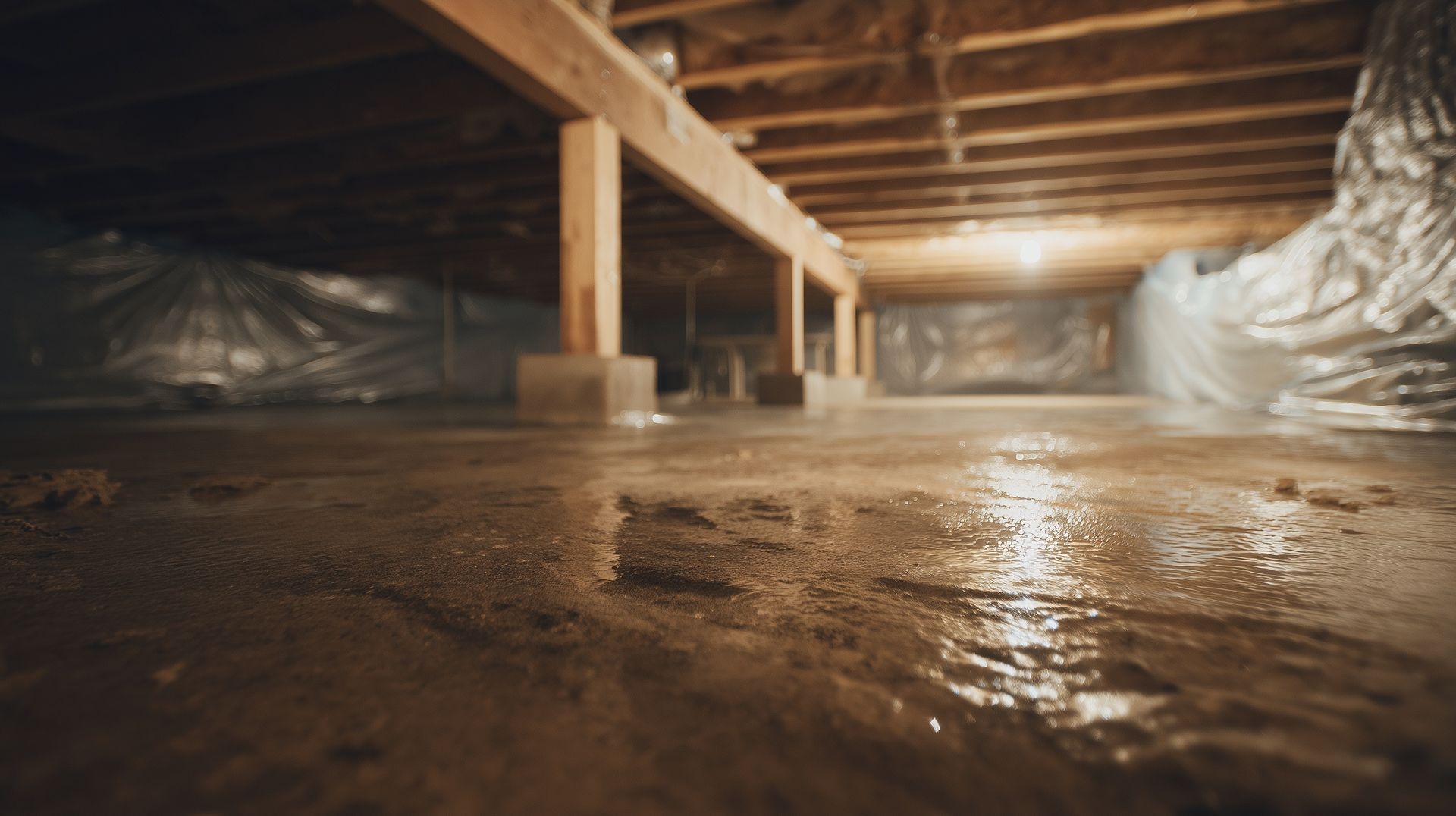
Moisture vapor rising through concrete slabs can affect coating adhesion. While both epoxy and polyaspartic systems require proper surface preparation, polyaspartic coatings often demonstrate greater tolerance to minor moisture conditions.
This characteristic can be helpful in garages where seasonal moisture levels fluctuate, particularly when preparing your concrete floor for fall and winter in Denver.
Which Coating Is Best for Colorado Homes?
When comparing polyaspartic vs epoxy garage floor coatings, both systems can provide excellent protection when installed correctly. However, many contractors prefer polyaspartic coatings for Colorado homes because of their ability to handle UV exposure, temperature changes, and faster installation timelines.
For homeowners seeking a long-lasting coating with minimal downtime, polyaspartic systems often provide a strong balance of durability and convenience.
That said, epoxy coatings can still be a suitable option in certain situations, particularly when installed in controlled indoor environments or when budget considerations play a role.
Ultimately, the most important factor in any coating project is not just the material, but the preparation and installation quality.
Why Surface Preparation Is More Important Than the Coating Type
Regardless of whether a homeowner chooses epoxy or polyaspartic, proper concrete preparation remains the most critical step in achieving long-term performance.
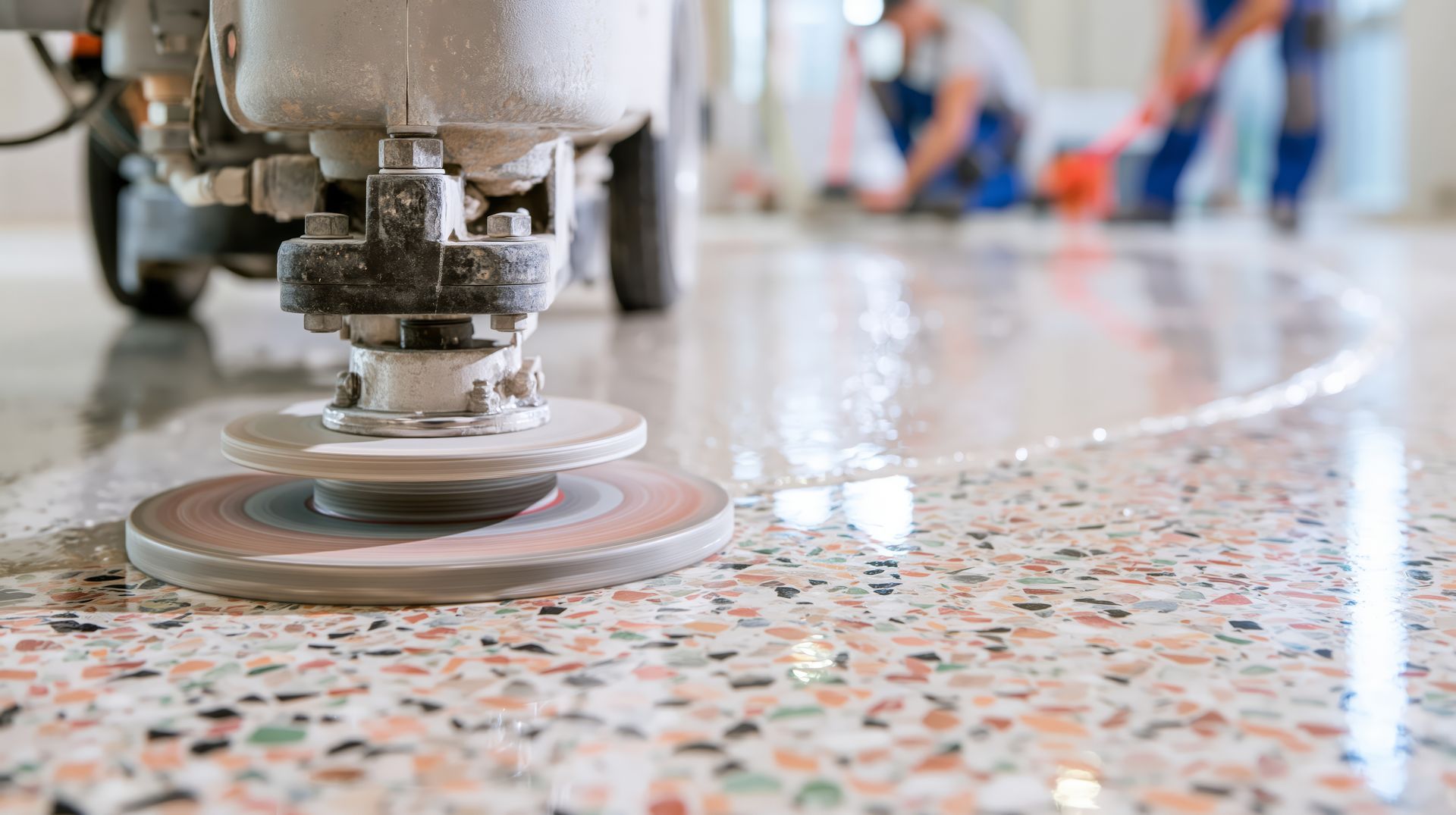
Professional installers typically use diamond grinding or mechanical grinding to prepare the concrete surface before applying any coating. This process removes contaminants and creates a textured surface profile that allows the coating to bond effectively.
Without proper preparation, even the highest-quality coating system may fail prematurely. Understanding our installation process can help homeowners know exactly what to expect before work begins.
Homeowners comparing coating options should ensure that preparation steps are clearly outlined in the installation plan.
Frequently Asked Questions About Garage Floor Coatings
Is polyaspartic better than epoxy for garage floors?
Polyaspartic coatings often provide better UV resistance and faster installation, making them a popular choice for many modern garage floor systems.
Do epoxy garage floors last a long time?
Yes. When properly installed and maintained, epoxy coatings can last for many years while protecting concrete from stains and wear.
Why do some garage coatings peel?
Peeling usually occurs when the concrete surface was not properly prepared before installation or when moisture interferes with bonding. Homeowners should also be aware of common mistakes with DIY garage coatings that can lead to premature failure.
Are garage floor coatings slippery?
Many coating systems include decorative flakes or textured additives that help improve traction and reduce slipperiness.
How long does garage floor coating installation take?
Epoxy systems may require several days to install, while polyaspartic coatings are often completed in a single day.
Choosing the Right Coating System
Selecting the best garage floor coating for Colorado homes involves balancing durability, installation time, climate performance, and appearance.
Both epoxy and polyaspartic systems can provide strong protection when installed correctly. However, the demanding conditions created by Colorado’s sunlight, seasonal moisture, and temperature fluctuations often make polyaspartic coatings a preferred option for modern installations.
Keas Concrete Coatings specializes in professional garage floor coating systems designed to perform in Colorado’s climate. With proper surface preparation, high-performance materials, and expert installation, homeowners can transform their garage floors into durable, attractive surfaces built to withstand years of use.