Best Pool Deck Coatings for Colorado Summers

A pool deck takes more abuse during a Colorado summer than most homeowners realize. When Keas Concrete Coatings talks with homeowners about outdoor concrete projects, pool decks consistently present the most demanding combination of performance requirements of any surface on the property. Intense UV exposure at elevation, wet and dry cycles throughout the day, bare feet that need traction and comfort, and the visual expectations of an outdoor entertaining space all converge on a single concrete surface that has to perform reliably from Memorial Day through Labor Day.
The good news is that the right coating system handles all of these demands simultaneously, and Colorado homeowners have more options than ever for pool deck coatings that look exceptional, perform safely, and hold up through the region's demanding summer conditions. Understanding what distinguishes a coating system designed for this environment from a generic concrete sealer helps homeowners make a decision they will be satisfied with for years rather than seasons.
Why Colorado's Summer Conditions Are Uniquely Demanding for Pool Decks
Colorado's outdoor environment subjects pool decks to stresses that are more intense than most other regions in the country, and understanding those stresses helps explain why coating selection and professional installation matter more here than in milder climates.
UV intensity at elevation is the starting point. Denver sits at 5,280 feet, and many Colorado communities sit higher, which means UV radiation is meaningfully stronger than at sea level. Coating systems that perform well in lower-elevation states can fade, chalk, and degrade significantly faster in Colorado's high-altitude UV environment. A coating specified for a pool deck in Colorado needs UV stability that exceeds what lower-elevation applications require.
Temperature swings amplify the challenge. Colorado summers combine intense daytime heat with cooler nights, and pool decks experience this thermal cycling across the entire season. Coatings that do not have adequate flexibility to expand and contract with the concrete substrate develop cracks, lifting edges, and delamination over time. The same freeze-thaw cycling that affects Colorado concrete in winter happens in compressed form during summer nights that drop significantly in temperature after hot days.
Heat absorption on uncoated or poorly coated pool decks is a comfort issue that directly affects how the space is used. Dark or untreated concrete surfaces can reach temperatures that are genuinely painful for bare feet on hot Colorado summer days. A coating system designed for pool decks addresses surface temperature through reflective pigmentation and surface texture rather than simply adding a layer of protection to a surface that remains uncomfortably hot. Weatherproof outdoor spaces and durable concrete coatings covers the broader outdoor coating performance requirements that apply to pool decks alongside other exterior concrete surfaces.
The Non-Negotiables for Pool Deck Coatings
Before evaluating specific coating systems, it helps to establish the performance requirements that any pool deck coating needs to meet regardless of the specific product or system chosen.
Slip resistance when wet is the most critical safety requirement. A pool deck surface that becomes slippery when wet is a genuine injury risk that no amount of aesthetic quality can offset. The coating system needs to provide reliable traction under wet conditions, which typically requires either an aggregate component embedded in the surface or a texture profile engineered into the coating itself that maintains grip even when the surface is continuously wet from splash and swimmer traffic.
UV stability that prevents fading, chalking, and surface degradation over multiple seasons is essential for both performance and appearance. A pool deck coating that looks excellent in its first summer but has faded significantly by its second is not a durable solution for Colorado's UV environment.
Chemical resistance to pool water, chlorine, and cleaning products protects the coating from the specific chemical exposures that pool decks experience. Chlorinated splash water that dries and concentrates on the deck surface is more chemically aggressive than clean water, and a coating system not designed to resist this exposure will show surface degradation sooner than the substrate condition alone would predict.
Comfort underfoot for bare feet matters more on a pool deck than on almost any other concrete surface. Texture that provides slip resistance without being abrasive to bare skin, and surface temperature management that keeps the deck comfortable during peak sun hours, are both legitimate performance requirements for a surface where people spend significant time barefoot.
Polyurea Coatings for Pool Decks
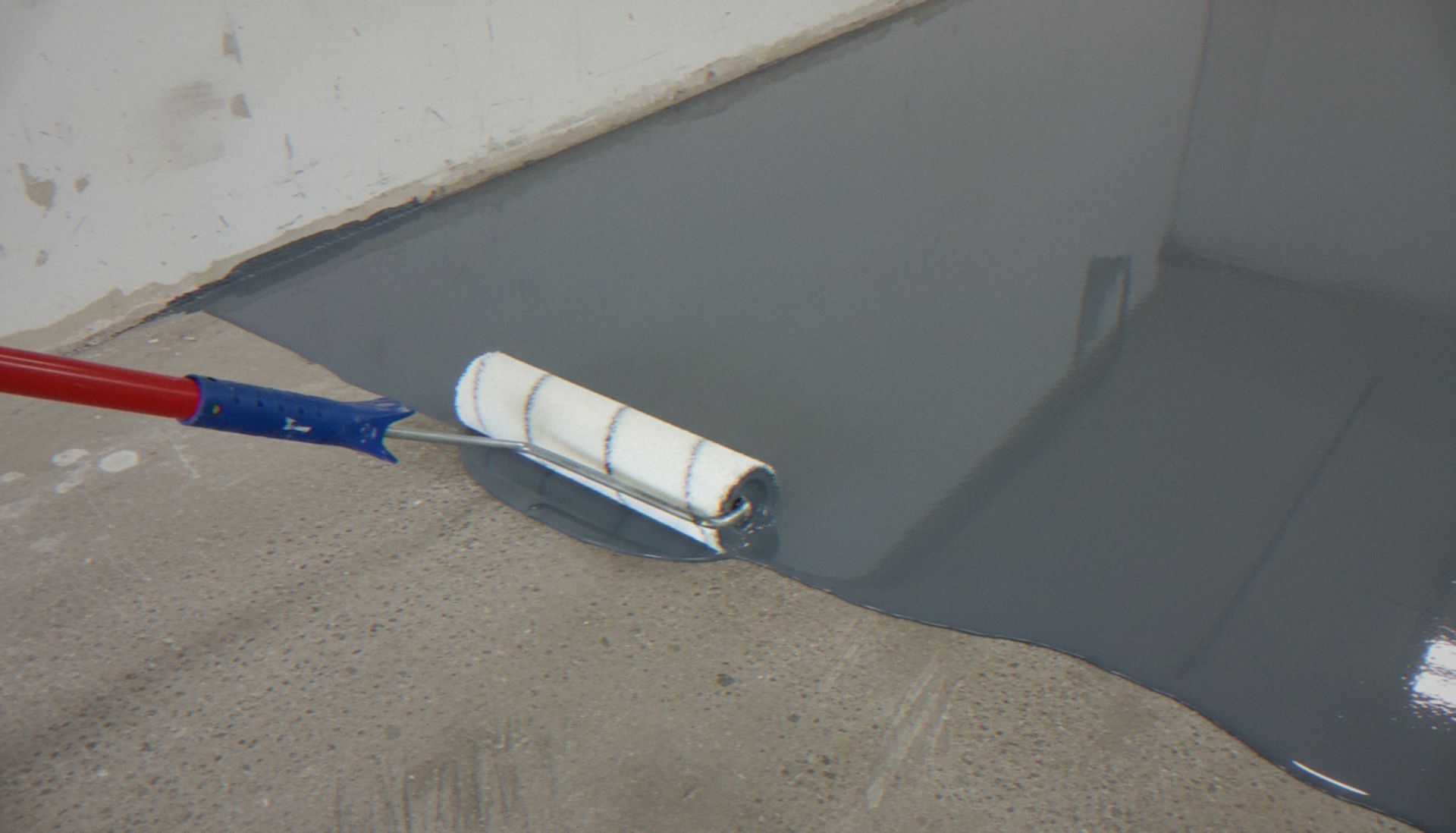
Polyurea coating systems are among the strongest performers for Colorado pool decks because their material properties directly address the specific demands the environment creates. Why polyurea coatings are superior to epoxy for garage floors covers the material performance comparison in detail, and those same advantages apply with equal or greater force in the outdoor pool deck context.
Polyurea's flexibility distinguishes it from more rigid coating systems in an outdoor environment. The thermal cycling that Colorado pool decks experience requires a coating that can move with the concrete substrate without cracking or delaminating, and polyurea's elastomeric properties give it a flexibility range that epoxy systems cannot match. This flexibility translates directly to longer coating life in Colorado's temperature swing environment.
UV resistance in quality polyurea formulations is designed specifically for outdoor exposure. Unlike epoxy, which yellows and chalks under prolonged UV exposure, a properly formulated polyurea topcoat maintains color stability and surface integrity through multiple seasons of Colorado's high-altitude UV environment.
The cure speed of polyurea systems also has practical value for pool deck installations. A system that cures quickly minimizes the downtime between coating application and pool deck use, which matters practically when a family wants their outdoor entertaining space back in service quickly during the summer season.
Quartz and Aggregate Systems for Traction and Comfort
Broadcast aggregate systems that embed quartz, sand, or other hard particles into the coating surface create a texture profile specifically designed for wet-area traction. These systems are widely used on pool decks because they provide reliable slip resistance without the abrasiveness of coarse aggregate products that can be uncomfortable for bare feet.
Quartz broadcast systems apply a base coating and then broadcast aggregate across the wet surface before applying a topcoat that locks the aggregate in place and seals the surface. The result is a uniform texture that provides traction when wet, resists the chemical exposures of pool environments, and is available in color combinations that complement pool water and outdoor living aesthetics.
The aggregate particle size and density in the broadcast layer are the primary variables that determine how the surface feels underfoot and how much traction it provides. Finer aggregate creates a smoother surface that is more comfortable for bare feet but provides less traction than coarser aggregate. The right specification balances these considerations for the specific use of the deck and the preferences of the homeowner. Outdoor concrete coatings and the best solutions for patios and driveways covers the range of aggregate and coating options for exterior concrete surfaces that include pool deck applications.
Color and Design Considerations for Colorado Pool Decks
Pool deck coating selection is not purely a performance decision. The visual relationship between the deck surface, the pool water, and the surrounding landscape is a significant design consideration, and the right coating system provides meaningful design flexibility alongside its performance properties.
Lighter colors reflect more heat than darker colors, which contributes to surface comfort on hot summer days. For Colorado pool decks where surface temperature is a genuine comfort concern, selecting a lighter base color for the coating system is a practical decision that improves the daily use experience of the space. Lighter colors also tend to show dirt and debris more readily than medium tones, which is a maintenance consideration worth factoring into the color selection.
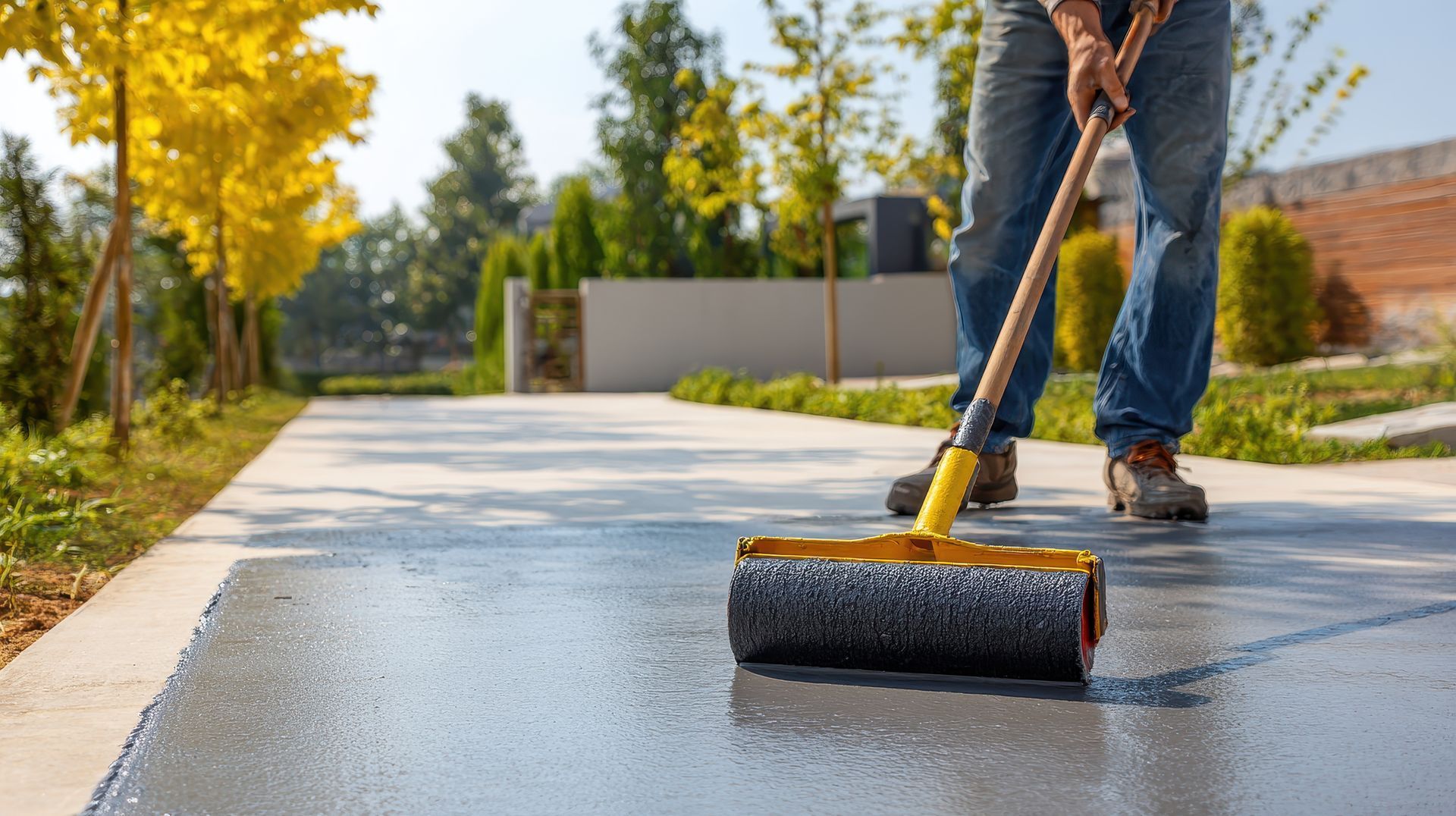
Color consistency and fade resistance over time affect how the pool deck looks after multiple seasons of UV exposure. A coating system that holds its color through Colorado's intense summer UV maintains the investment in the space's appearance over the long term. Asking about the UV stability of specific color formulations, particularly for deeper or more saturated tones that are more susceptible to UV-driven color shift, is a worthwhile part of the product selection conversation. Transform your patio with Keas Concrete Coatings shows the visual outcomes achievable with professional exterior coating systems across a range of color and texture options.
Surface Preparation: Why It Determines Coating Performance
Every coating system, regardless of its material quality or performance specifications, depends on proper surface preparation to achieve its rated performance. Pool deck concrete that has been exposed to years of pool chemical splash, UV degradation, and weather cycling presents specific preparation challenges that affect how well a new coating adheres and performs.
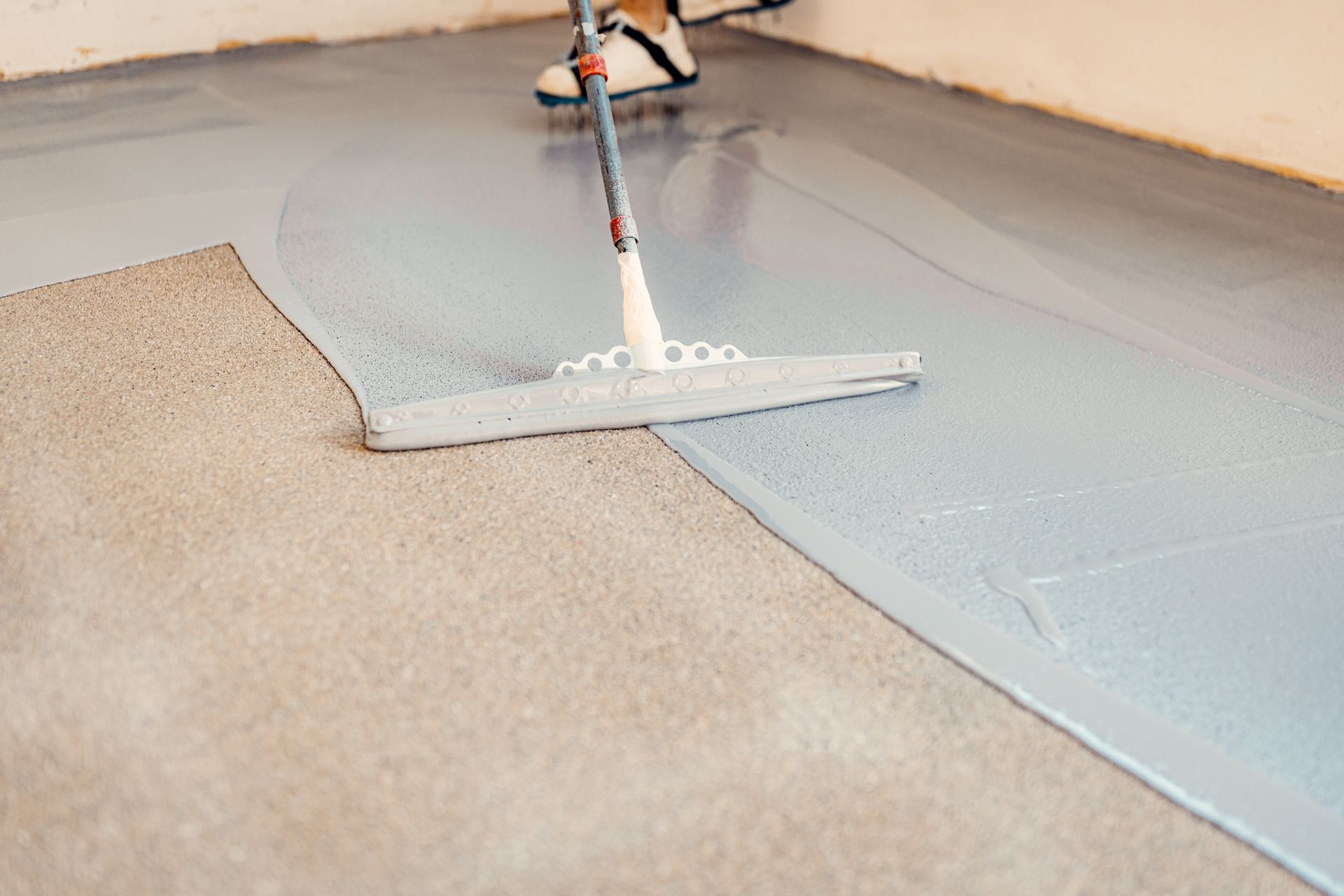
Surface profile preparation typically involves diamond grinding or shot blasting to open the concrete surface and create the mechanical bond profile the coating needs to adhere properly. Existing sealers, contamination from pool chemicals, and surface laitance from weathering all need to be removed before coating application.
Crack and joint repair should be completed before coating to prevent existing cracks from reflecting through the new surface and to prevent water infiltration at crack locations that would undermine the coating bond over time. Pool decks with significant existing cracking may require more extensive crack repair as part of the preparation process.
Moisture testing is particularly important for pool deck surfaces that may have elevated moisture levels from years of constant water exposure. Applying a coating system over a concrete surface with elevated moisture content risks coating failure from below, where moisture vapor pressure can overcome the coating bond and cause blistering or delamination. Our process for concrete coating installation covers the preparation standards that professional installation requires and explains why surface preparation is as important as coating product selection for long-term performance.
Maintenance Expectations for Coated Pool Decks
A professionally coated pool deck requires less maintenance than uncoated concrete but is not maintenance-free, and understanding realistic maintenance expectations helps homeowners get the most from their coating investment.
Regular cleaning with appropriate products removes the chlorine residue, sunscreen, and organic debris that accumulate on pool deck surfaces throughout the season. Mild detergent and water is appropriate for routine cleaning. Harsh chemical cleaners, acidic products, and pressure washing at high pressure can damage the coating surface and should be avoided.
Periodic inspection for edge lifting, surface scratches, and areas of unusual wear allows minor issues to be addressed before they develop into more significant coating failures. A coated pool deck that is inspected and maintained appropriately will significantly outlast one that is ignored between seasons.
At the end of the Colorado pool season, a thorough cleaning before winterization removes the chemical residue and debris that can degrade the coating surface during the months when the pool is not in use. Preparing your pool deck for winter with protective concrete coatings covers the end-of-season steps that extend coating life through Colorado's winter conditions.
Frequently Asked Questions About Pool Deck Coatings for Colorado Summers
How long does a professionally applied pool deck coating last in Colorado's climate?
A professionally applied polyurea or quartz aggregate coating system on a properly prepared pool deck surface typically lasts ten to twenty years or more with appropriate maintenance. Colorado's UV intensity and thermal cycling are more demanding than lower-elevation climates, which is why coating system selection and professional installation quality matter more here than in milder environments. Coatings applied over inadequately prepared surfaces or using products not designed for exterior UV exposure will fail significantly sooner regardless of the product's performance ratings in laboratory conditions.
Can I coat my existing pool deck without removing the old sealer?
In most cases no. Existing sealers prevent the new coating from bonding directly to the concrete substrate, which creates an adhesion failure waiting to happen rather than a durable coating system. Professional preparation that removes existing sealers through diamond grinding or chemical stripping before applying the new coating is the standard that professional installation requires. Attempting to coat over an existing sealer is one of the most common causes of premature coating failure on pool decks and exterior concrete surfaces generally.
What slip resistance rating should a pool deck coating have?
Pool deck coatings should meet or exceed the ANSI A326.3 wet DCOF standard of 0.42 or higher for wet areas. In practice, professionally installed quartz broadcast or aggregate systems for pool decks typically exceed this threshold by a meaningful margin. The specific aggregate specification, particle size, density, and topcoat formulation affect the exact slip resistance achieved, and a professional installer can specify a system that meets the requirements of your specific deck use and local building codes.
Will a coating keep my pool deck cooler in the summer?
Lighter colored coating systems with reflective pigmentation reduce surface temperature compared to dark or uncoated concrete by reflecting rather than absorbing solar radiation. The reduction is meaningful but not unlimited. A light-colored coated pool deck will be noticeably cooler underfoot than dark uncoated concrete in direct sun, but it will still be warmer than a shaded surface. For maximum comfort, coating color selection should favor lighter tones, and a landscape design that provides partial shade over deck areas used most during peak sun hours complements the coating's heat management contribution.
How soon after installation can we use the pool deck?
Polyurea coating systems cure rapidly and typically allow foot traffic within hours of application and normal pool deck use within twenty-four hours. Specific cure times depend on the coating system, ambient temperature, and humidity conditions at the time of installation. Your installer will provide specific return-to-use guidance based on the system applied and the conditions on the day of installation. One of the practical advantages of polyurea systems for pool deck applications is that the rapid cure time minimizes disruption to pool season use. The benefits of one-day garage floor coating in Denver explains the rapid installation and return-to-use advantages of professional coating systems that apply equally to pool deck projects.
Is a coated pool deck more slippery than uncoated concrete when wet?
A properly specified and professionally installed pool deck coating with an appropriate aggregate or texture profile is more slip-resistant when wet than smooth uncoated concrete. Uncoated concrete that has been worn smooth by foot traffic, or that has been previously sealed with a smooth sealer, can be quite slippery when wet. The key variable is whether the coating system includes an adequate wet traction specification. A coating applied without aggregate or texture that provides wet grip does not inherently improve slip resistance over uncoated concrete, which is why aggregate broadcast systems are the standard for pool deck applications.
Ready to Transform Your Pool Deck Before Summer Peaks?
Colorado's pool season is short, and the right coating makes every day of it better. Contact Keas Concrete Coatings for a free quote. Denver: 303-999-8121. Colorado Springs: 719-432-6490. Or request a quote online.