Metallic Concrete Coatings: A Modern Look for Patios and Interior Floors

There is a category of concrete coating that stops people in their tracks when they see it for the first time. When Keas Concrete Coatings shows homeowners examples of metallic concrete coating finishes, the reaction is consistently one of genuine surprise that a floor or patio surface can look like that. With swirling depth, iridescent color shifts, and three-dimensional movement in the surface, the visual character of metallic coatings is unlike anything a standard paint, stain, or coating system produces, and it is achieved entirely through the chemistry and application technique of the coating itself rather than through embedded materials or surface carving.
Understanding what metallic concrete coatings are, how they create their distinctive appearance, and where they work best in residential spaces helps homeowners evaluate whether this finish category is right for their specific project and what to expect from the design and installation process.
What Metallic Concrete Coatings Actually Are
Metallic concrete coatings are epoxy- or polyurea-based coating systems that incorporate metallic pigment particles into the coating matrix. These pigment particles are extremely fine metallic flakes or powders, typically made from aluminum, mica, or other reflective materials, that orient themselves within the wet coating layer as it is applied and manipulated, creating a surface that reflects light from multiple angles simultaneously.
The distinctive visual depth of a metallic coating comes from the three-dimensional orientation of these particles within the coating layer. Unlike a flat paint color that reflects light uniformly from a single plane, metallic pigment particles that are distributed throughout the thickness of the coating reflect light from different depths, creating the perception of visual depth and movement in the surface. When the coating is manipulated during application using specialized techniques, the particles orient in flowing patterns that produce the swirling, cloud-like, or marbled appearances that define the metallic coating aesthetic.
The base coating chemistry provides the structural performance of the system. Epoxy-based metallic systems provide excellent adhesion, chemical resistance, and surface hardness that make them appropriate for floors and other surfaces that experience significant use. Polyurea topcoats applied over metallic epoxy base layers add UV stability and flexibility that extend the performance and appearance of the system in applications where UV exposure or thermal cycling are concerns. Epoxy vs polyurea concrete coatings and why polyurea reigns supreme covers the material performance comparison that informs which base system is appropriate for specific metallic coating applications.
How the Metallic Effect Is Created During Application
The application process for metallic coatings is fundamentally different from standard coating application and is where the artistic element of the finish is created. Understanding this process helps homeowners appreciate why professional installation is essential and why two metallic coating installations are never exactly identical.
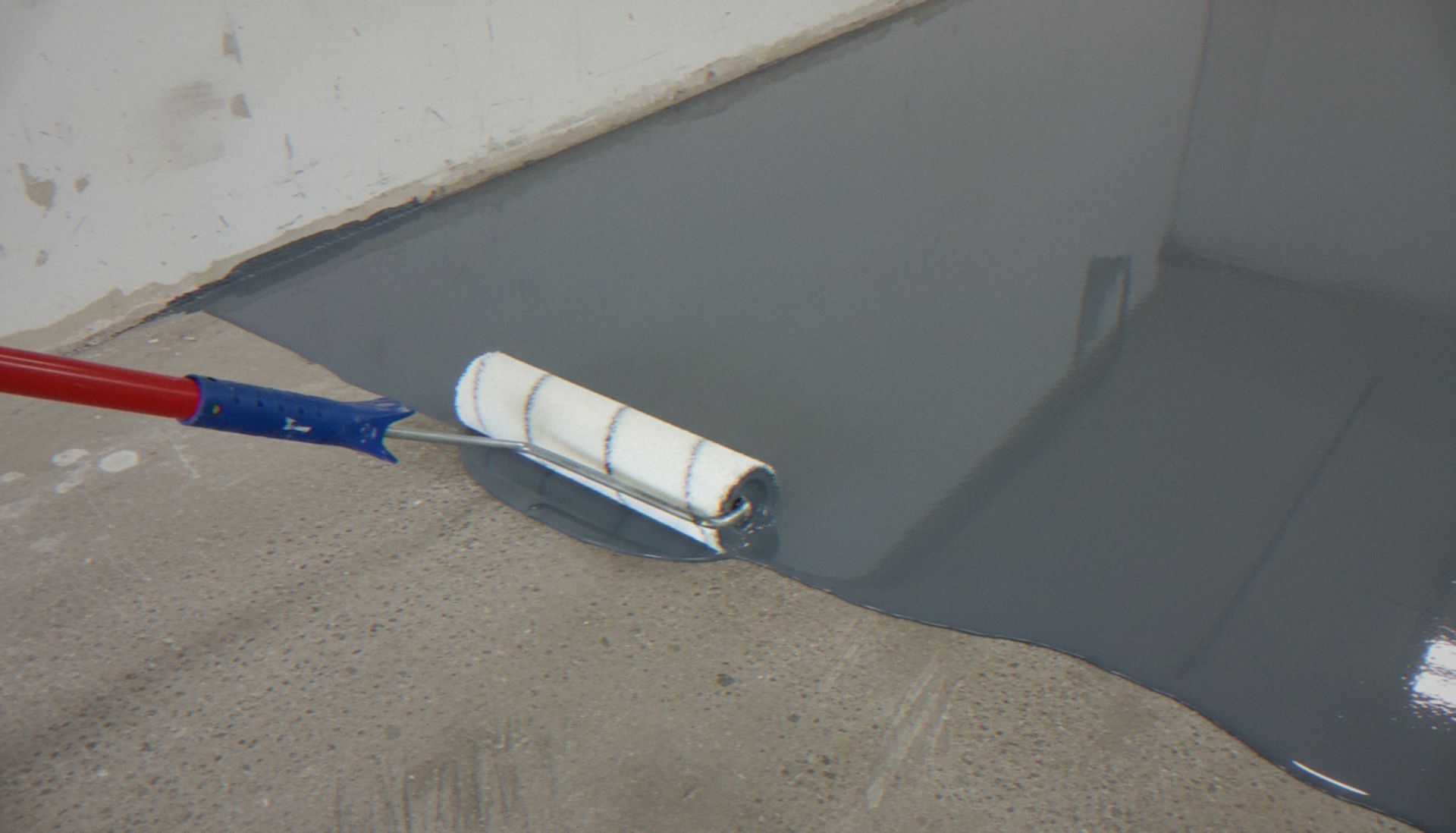
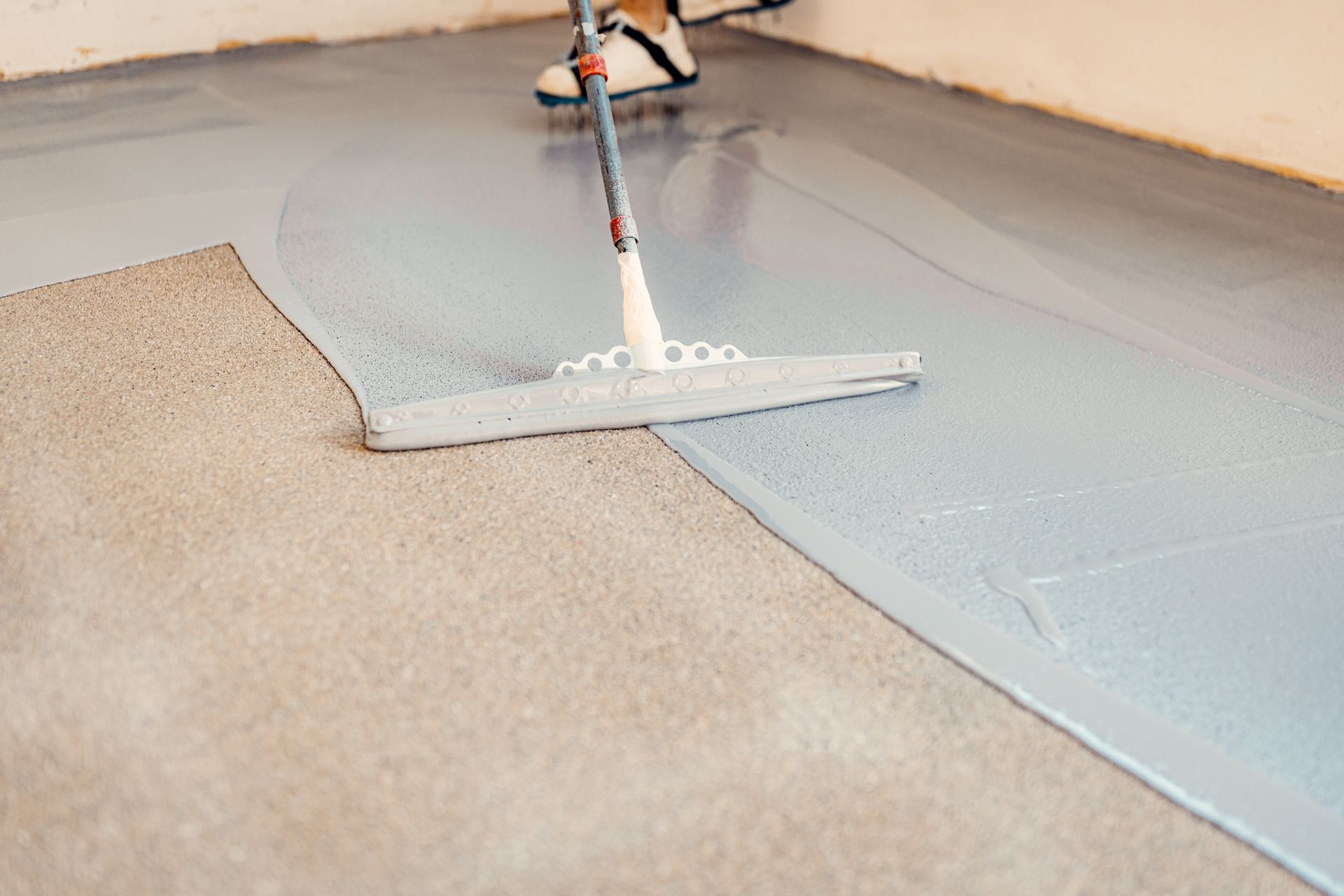
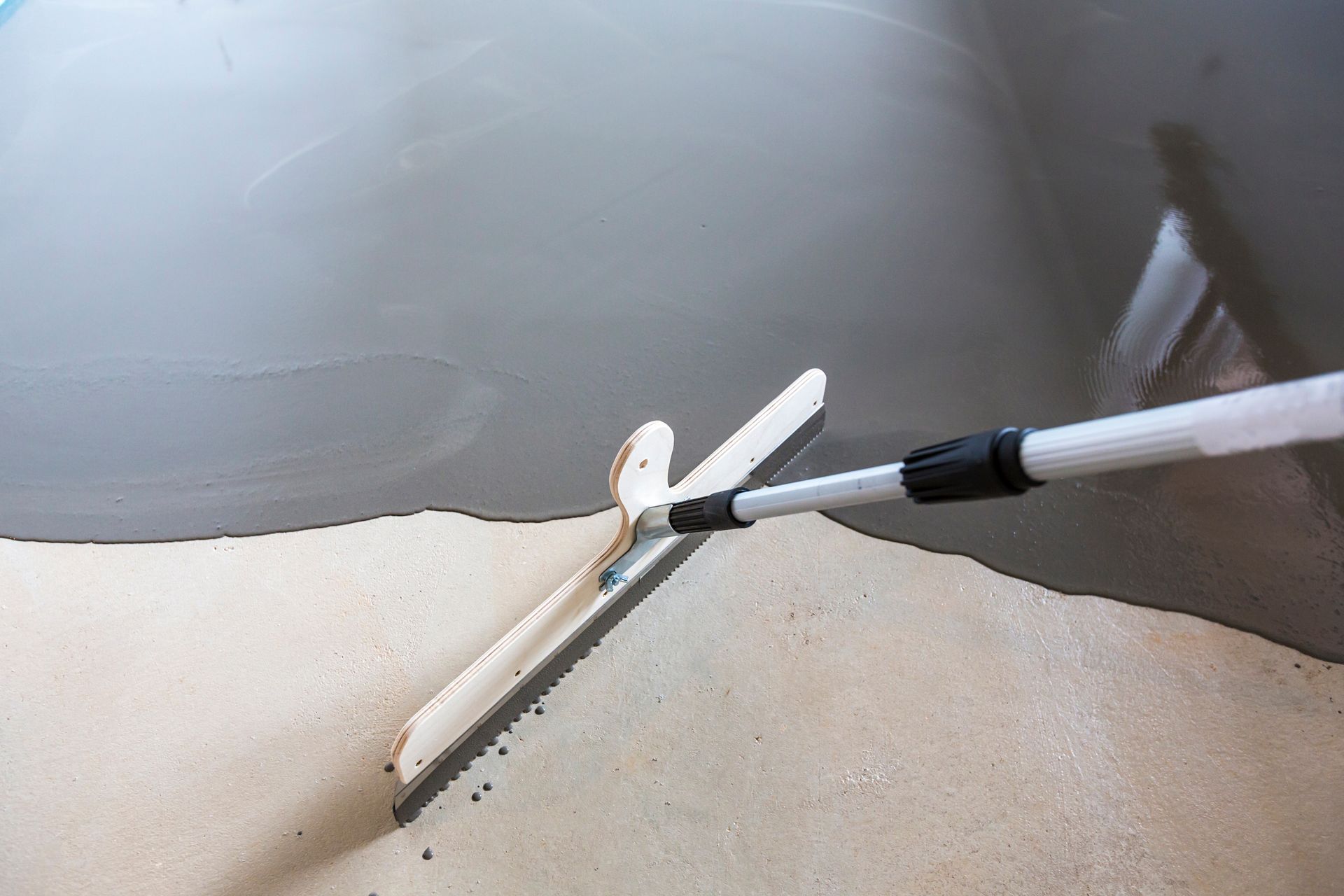
The base epoxy layer is mixed with metallic pigment at specified ratios and applied to the prepared concrete surface. While the coating is still wet, the installer uses a combination of application tools, air movement from a heat gun or torch, and specific manipulation techniques to create the flowing patterns and depth that define the metallic finish. The wet metallic coating responds to these manipulations by moving the pigment particles into orientations that create the visual patterns the installer is directing.
The timing window for these manipulations is limited by the coating's pot life and the ambient temperature conditions, which is why experience and technique matter as much as material quality in achieving a high-quality metallic finish. An installer who understands how the coating moves, how different manipulation techniques produce different pattern characteristics, and how to maintain consistency across a large floor area produces results that a less experienced applicator cannot replicate, regardless of using identical materials.
Once the metallic base layer has cured, a clear topcoat is applied to seal and protect the metallic finish, add the desired sheen level, and provide the surface durability the finished coating needs for its intended use. The topcoat also determines the long-term UV stability of the finish in applications where sunlight exposure is a factor. Our process for concrete coating installation covers the installation standards that professional coating application requires across all coating system types.
Where Metallic Coatings Work Best in Residential Spaces
Metallic concrete coatings are versatile enough to be used in a range of residential applications, but they are most visually impactful and most practically appropriate in specific contexts.
Interior Living Spaces and Entertainment Areas
Basement entertainment rooms, home bars, game rooms, and open-plan living areas with concrete floors are among the most visually striking applications for metallic coatings. The dramatic visual character of a metallic floor becomes a design feature of the space rather than simply a practical surface, and the variety of color and pattern options available in metallic systems allows homeowners to create a floor that complements their interior design direction precisely.
Interior applications benefit from the full range of metallic coating options because UV stability is less critical indoors, which means color depth and visual intensity can be maximized without the weathering limitations that outdoor applications impose. Deep blues, rich coppers, dramatic charcoals, and iridescent golds all perform well in interior applications where they are not subject to the UV-driven color shift that would affect them outdoors.
Garage Floors With a Design Statement
Metallic coatings for garage floors represent a significant upgrade from standard garage floor coating systems and are appropriate for homeowners who want their garage to function as a showroom, workshop, or extension of their living space rather than simply as a utilitarian storage area. The combination of metallic visual impact and the structural durability of the epoxy base system makes metallic garage coatings both beautiful and practical for the demands of garage use.
The love your garage deserves with concrete coatings covers the full range of garage coating options that include metallic systems alongside standard chip and solid color applications, and the design possibilities that metallic coatings bring to garage spaces represent one of the more dramatic transformations available in residential concrete coating.
Patios and Covered Outdoor Spaces
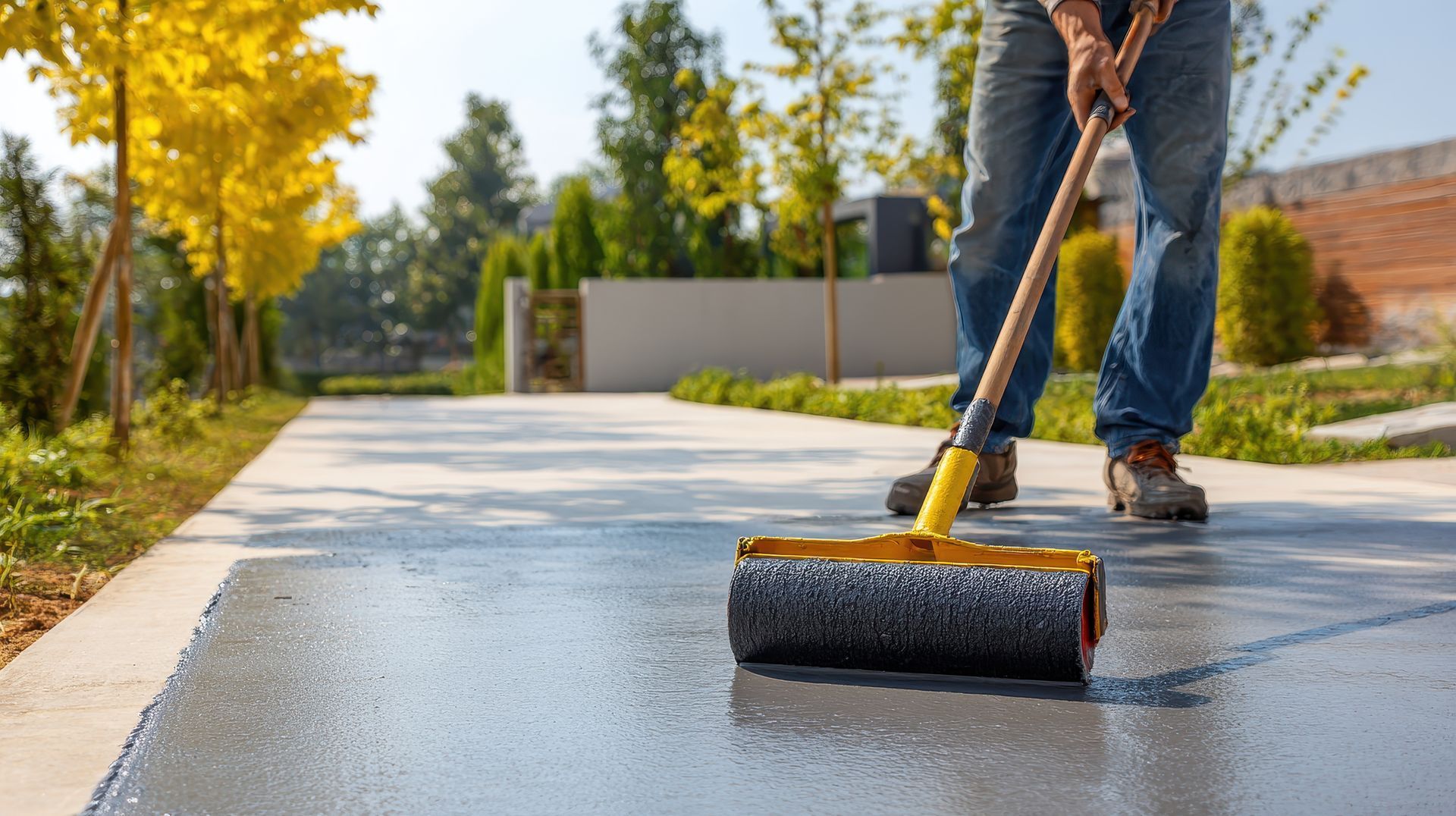
Metallic coatings for exterior patios require careful product specification because UV exposure degrades the metallic pigments and coating chemistry of systems not designed for outdoor use. For covered patios, pergola areas, and screened outdoor spaces where direct UV exposure is limited, metallic coatings with UV-stable topcoats perform well and bring the visual drama of the metallic finish to outdoor entertaining areas.
For fully exposed outdoor patios, the color stability of metallic pigments under Colorado's high-altitude UV environment is a legitimate concern that requires honest discussion during the product selection process. Certain metallic colors hold up better than others under UV exposure, and the topcoat sealer specification significantly affects how the metallic base layer is protected from UV degradation.
A professional assessment of the specific exposure conditions of a patio application guides the product selection toward systems that will maintain their appearance over time in that environment. Weatherproof outdoor spaces and durable concrete coatings cover the outdoor performance requirements that affect coating system selection for exposed exterior applications.
Basements and Below-Grade Spaces
Basements present specific considerations for metallic coatings because moisture vapor transmission from below-grade concrete can affect the adhesion and performance of any coating system applied to it. For basements where moisture has been properly assessed and addressed, metallic coatings deliver a dramatically improved aesthetic that transforms a utilitarian below-grade space into a genuinely attractive living area.
The visual effect of a metallic coating in a basement is particularly impactful because the floor is often the primary design surface in a space where wall and ceiling treatments are limited. A well-executed metallic floor in a basement entertainment room or home gym creates a design focal point that elevates the entire space. Why choose polyurea for basement floor coatings covers the material selection considerations that apply when metallic coating systems are being evaluated for basement applications, where moisture management is a factor.
Color and Design Options in Metallic Coatings
The range of color and design options available in metallic coating systems is broader than most homeowners initially expect, and understanding the design variables helps homeowners communicate their vision to a professional installer effectively.
Base color selection is the primary design decision. Metallic pigments are available in a wide range of colors, including silver, gold, copper, bronze, charcoal, blue, green, and pearl white, as well as custom blends that combine multiple pigments for more complex color effects. The base color determines the dominant visual tone of the finished surface and should be selected in relation to the walls, furnishings, and overall design direction of the space.
Pattern character is the second design variable, determined by the application technique the installer uses during the manipulation phase. Cloud patterns, ocean wave effects, marbled veining, and more abstract flowing designs are all achievable through different manipulation approaches. Communicating the desired pattern character through reference images is the most effective way to align expectations between the homeowner and the installer before the project begins.
Sheen level in the topcoat affects the overall visual impact of the metallic finish. High-gloss topcoats maximize the reflective depth and visual drama of the metallic pigments. Satin topcoats reduce the reflectivity for a more refined, less theatrical appearance. Matte topcoats are rarely used with metallic systems because they suppress the light-reflective quality that defines the metallic aesthetic. The gallery of completed projects shows the range of metallic coating outcomes across different color selections and pattern approaches.
Surface Preparation Requirements for Metallic Coatings
Metallic coatings have the same surface preparation requirements as other epoxy-based coating systems, and the quality of surface preparation is equally critical for metallic systems because surface imperfections can telegraph through the coating in ways that are more visible in a high-gloss metallic finish than in a textured chip system.
Concrete must be diamond ground to remove existing sealers, coatings, or surface contamination, and to create the mechanical bond profile the epoxy base requires. Cracks and surface defects should be repaired before coating application. Moisture testing is essential, particularly for basement and below-grade applications, to confirm that moisture vapor transmission rates are within acceptable limits for the coating system being applied.
Because metallic coatings are applied in thinner layers than chip broadcast systems, surface profile uniformity matters more. A floor with significant surface variation, deep pitting, or unrepaired cracks will show those imperfections more clearly under a high-gloss metallic finish than under a textured system that provides visual camouflage. Managing surface condition expectations honestly before installation prevents disappointment with the finished result. Interior concrete coatings and the best solution for high-traffic areas covers the preparation and performance standards that apply to interior coating applications, including metallic systems.
Frequently Asked Questions About Metallic Concrete Coatings
How durable are metallic concrete coatings for floor use?
Metallic concrete coatings using epoxy base systems with polyurea topcoats are highly durable for residential floor applications. The epoxy base provides excellent adhesion and hardness, and the polyurea topcoat adds abrasion resistance and flexibility that extend the coating's service life. For residential garage floors, basement entertainment areas, and interior living spaces with normal foot traffic and use, a professionally installed metallic coating system is expected to last ten to twenty years or more with appropriate maintenance. Heavy commercial traffic or industrial use requires a more robust system specification than standard residential metallic coatings provide.
Can metallic coatings be repaired if the surface is scratched or damaged?
Minor scratches in a metallic coating can often be addressed through spot topcoat application that blends into the existing finish, though color and pattern matching in a metallic finish is more challenging than in a solid color system. More significant damage that affects the metallic base layer is harder to repair invisibly because the metallic pattern in the repair area will look different from the surrounding undisturbed coating. Prevention through appropriate use and maintenance is the most practical approach to managing metallic coating longevity. For surfaces where impact damage is a realistic concern, discussing the repair implications with the installer before selecting a metallic system is worthwhile.
Are metallic coatings slippery when wet?
High-gloss metallic coatings without added traction materials can be slippery when wet, which is a consideration for applications where wet conditions are likely, such as garage floors in wet climates or covered outdoor patios. Anti-slip additives mixed into the topcoat reduce slip risk while maintaining most of the visual character of the metallic finish. For interior residential applications where wet conditions are not a regular occurrence, standard high-gloss topcoats are generally appropriate. For applications where wet traction is a concern, discussing anti-slip topcoat options with the installer before specification ensures the system meets safety requirements without compromising the design intent. Why slip-resistant flooring is a must for retail spaces covers the traction considerations that inform coating specification for surfaces where slip resistance is a priority.
How do I maintain a metallic-coated floor?
Metallic-coated floors are maintained with regular sweeping or dust mopping to remove abrasive particles that can scratch the topcoat surface, and damp mopping with a pH-neutral cleaner for routine cleaning. Avoid harsh chemical cleaners, acidic products, and abrasive cleaning pads that can damage the topcoat and reduce its clarity and sheen over time. Placing felt pads under furniture legs reduces the risk of surface scratching from furniture movement. With appropriate maintenance, the high-gloss topcoat maintains its clarity and the metallic base layer retains its visual depth and color over the long term. Maintaining your concrete coatings with tips for long-lasting floors provides a comprehensive maintenance framework applicable to metallic and other coating systems.
Can metallic coatings be applied over existing coatings or painted concrete?
Metallic coatings require direct adhesion to a properly prepared concrete substrate for the epoxy base system to achieve its rated performance. Existing coatings, paints, or sealers that are present on the concrete surface need to be removed through diamond grinding or mechanical preparation before metallic coating application. Attempting to apply a metallic coating over an existing coating transfers any adhesion weakness in the existing system to the new coating and typically results in delamination failure. Professional surface preparation that confirms direct concrete adhesion is the foundation of a durable metallic coating installation.
How much does metallic concrete coating cost compared to standard coating systems?
Metallic concrete coatings typically cost more than standard chip broadcast or solid color coating systems because of the higher material cost of metallic pigments, the additional application skill and time required to execute the metallic finish well, and the more demanding surface preparation that high-gloss metallic systems require. The premium over standard coating systems reflects the combination of material and labor factors that distinguish metallic installation from more straightforward coating applications. The cost of concrete coatings and what to expect covers the cost variables that affect concrete coating project pricing across system types and application contexts.
See What a Metallic Floor Can Do for Your Space
A metallic concrete coating is one of the most dramatic visual transformations available for residential floors and patios. Contact Keas Concrete Coatings for a free quote. Denver: 303-999-8121. Colorado Springs: 719-432-6490. Or request a quote online.