Can You Coat Stamped Concrete? What Homeowners Need to Know
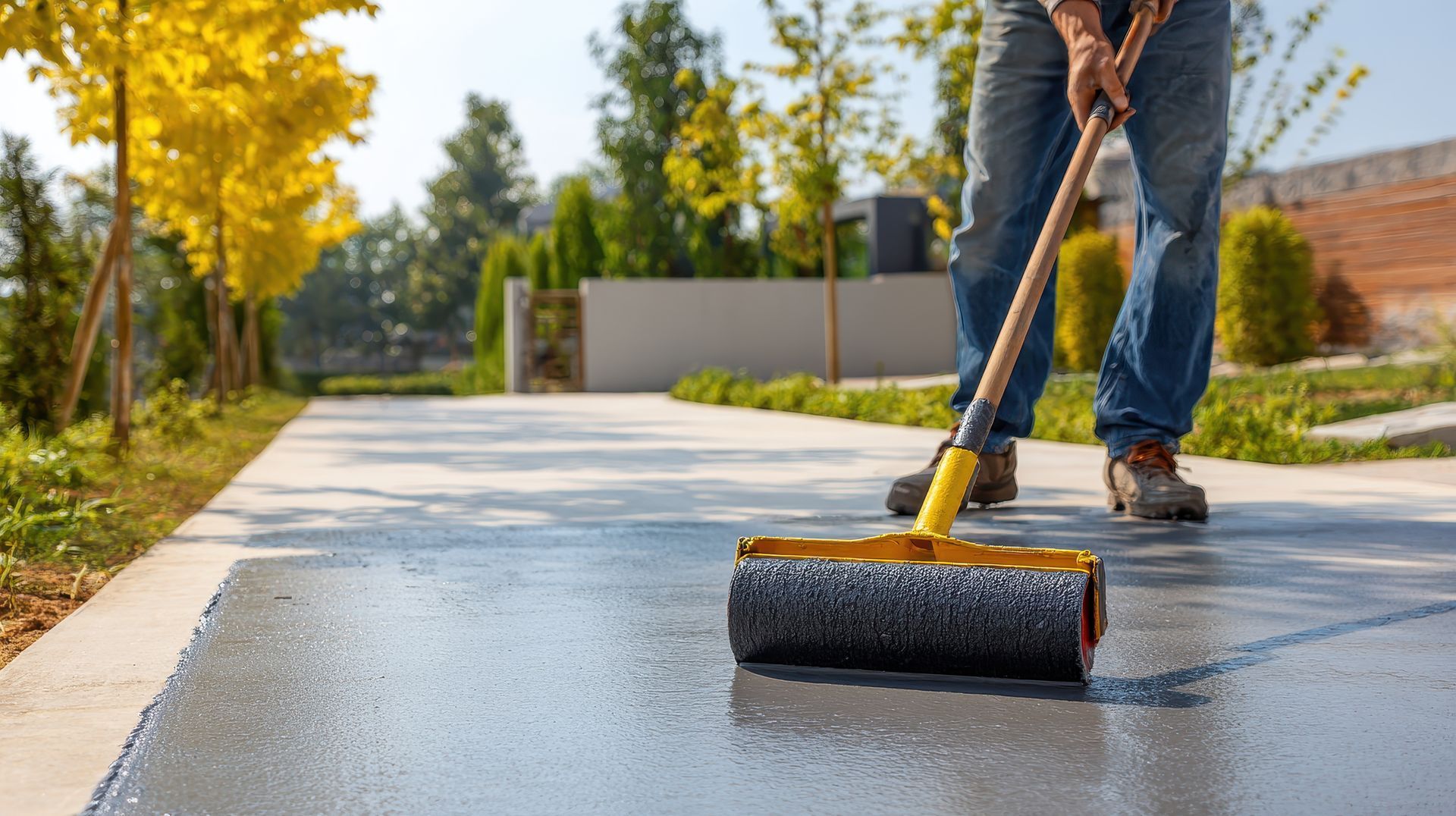
Stamped concrete patios represent a significant investment in outdoor living space, and homeowners who have one often face the same question after several years of Colorado weather exposure: the pattern still looks great, but the color has faded, the sealer is peeling, and the surface needs attention. When Keas Concrete Coatings talks with homeowners about stamped concrete, the question is almost always some version of can we coat it rather than replace it, and the answer in most cases is yes, with the right preparation and the right product approach.
Understanding what coating stamped concrete actually involves, where the compatibility considerations are, and what finish options are available helps homeowners make an informed decision about restoring and protecting a decorative concrete surface they have already invested in.
What Makes Stamped Concrete Different From Standard Concrete
Stamped concrete is poured and textured concrete that has been impressed with a pattern while still workable to create the appearance of stone, brick, slate, tile, or other decorative surfaces. Color is typically introduced through integral pigment mixed into the concrete, surface-applied color hardener, or antiquing release agents that create the variation and depth that make stamped concrete visually interesting.
The finished surface is almost always sealed with a topcoat sealer that protects the color, enhances the appearance, and provides some resistance to the weathering and staining that outdoor concrete experiences. This sealer layer is what most homeowners are actually dealing with when their stamped concrete starts to look tired. The concrete and its pattern are typically still in good condition beneath a sealer that has degraded from UV exposure, freeze-thaw cycling, and years of foot traffic.
Colorado's climate is particularly hard on stamped concrete sealers. High UV intensity at elevation accelerates sealer degradation, causing the characteristic whitening, peeling, and flaking that makes a stamped patio look neglected. The freeze-thaw cycling that Colorado experiences through late fall and early spring causes moisture trapped beneath a compromised sealer to expand and further lift the failing surface layer. By the time most Colorado homeowners are looking for solutions, they are dealing with a sealer failure rather than a concrete failure, which is an important distinction for understanding what the repair and coating process involves.
Outdoor concrete coatings and the best solutions for patios and driveways cover the outdoor coating performance requirements that apply to stamped concrete alongside other exterior surfaces.
The Compatibility Question: Can Any Coating Go Over Stamped Concrete?
The compatibility question for coating stamped concrete has two dimensions that are worth separating clearly. The first is whether the texture and relief profile of stamped concrete affects how a coating system performs on it. The second is whether any existing sealer on the surface affects what new coating can be applied.
The texture dimension is generally not a barrier to coating. Coating systems applied to stamped concrete follow the surface profile of the pattern, enhancing the visual depth of the texture rather than filling it in. A properly applied coating on stamped concrete looks like the pattern has been restored and protected, not like it has been covered over. The surface relief that gives stamped concrete its decorative character remains visible and often appears more defined after coating than it did with a degraded sealer.
The existing sealer condition is more critical. Most stamped concrete has an existing solvent-based or water-based acrylic sealer that needs to be either fully removed or properly prepared before a new coating is applied. Coating over a failing sealer that has poor adhesion to the concrete beneath it transfers that adhesion failure to the new coating, which will peel along with the old sealer, regardless of its own quality. The preparation approach depends on the condition of the existing sealer and the compatibility of the new coating system with any residual sealer that remains after preparation.
Maintaining your concrete coatings with tips for long-lasting floors covers the surface condition considerations that affect coating performance and longevity across residential applications.
Surface Preparation for Stamped Concrete Coating
Preparation for coating stamped concrete is more nuanced than preparation for standard flat concrete because the textured surface presents specific challenges for mechanical preparation methods.
Pressure washing at an appropriate pressure removes loose sealer, dirt, and surface contamination as a first step. For stamped concrete with a failing sealer that has significant lifting and peeling, pressure washing removes the most compromised sections and reveals the condition of what remains. This step also gives the installer a clear picture of how much existing sealer remains bonded to the surface and what additional preparation is needed.
Chemical stripping is often the most appropriate method for removing existing solvent-based acrylic sealers from stamped concrete because it reaches into the textured recesses of the pattern that mechanical grinding cannot access effectively without risking damage to the stamped texture. A chemical stripper applied to the surface and allowed to break down the existing sealer, followed by pressure washing to remove the stripped material, can achieve more thorough sealer removal from textured surfaces than mechanical methods alone.
Mechanical preparation through light diamond grinding or scarifying is used for standard concrete, but requires careful specification on stamped concrete to avoid abrading the pattern detail. For surfaces where chemical stripping has removed most of the existing sealer, a light mechanical pass can open the concrete surface for improved coating adhesion without damaging the texture. The right preparation approach for a specific stamped concrete surface depends on its condition, the type of existing sealer, and the coating system being applied, which is why professional assessment before coating is worth the conversation.
Common mistakes with DIY garage coatings covers the preparation errors that cause coating failures, and inadequate preparation of existing sealers is among the most consequential for any concrete coating project.
Coating Options for Stamped Concrete Patios
Once the surface is properly prepared, several coating approaches are appropriate for stamped concrete depending on the homeowner's goals for appearance, protection level, and finish character.
Acrylic Sealers
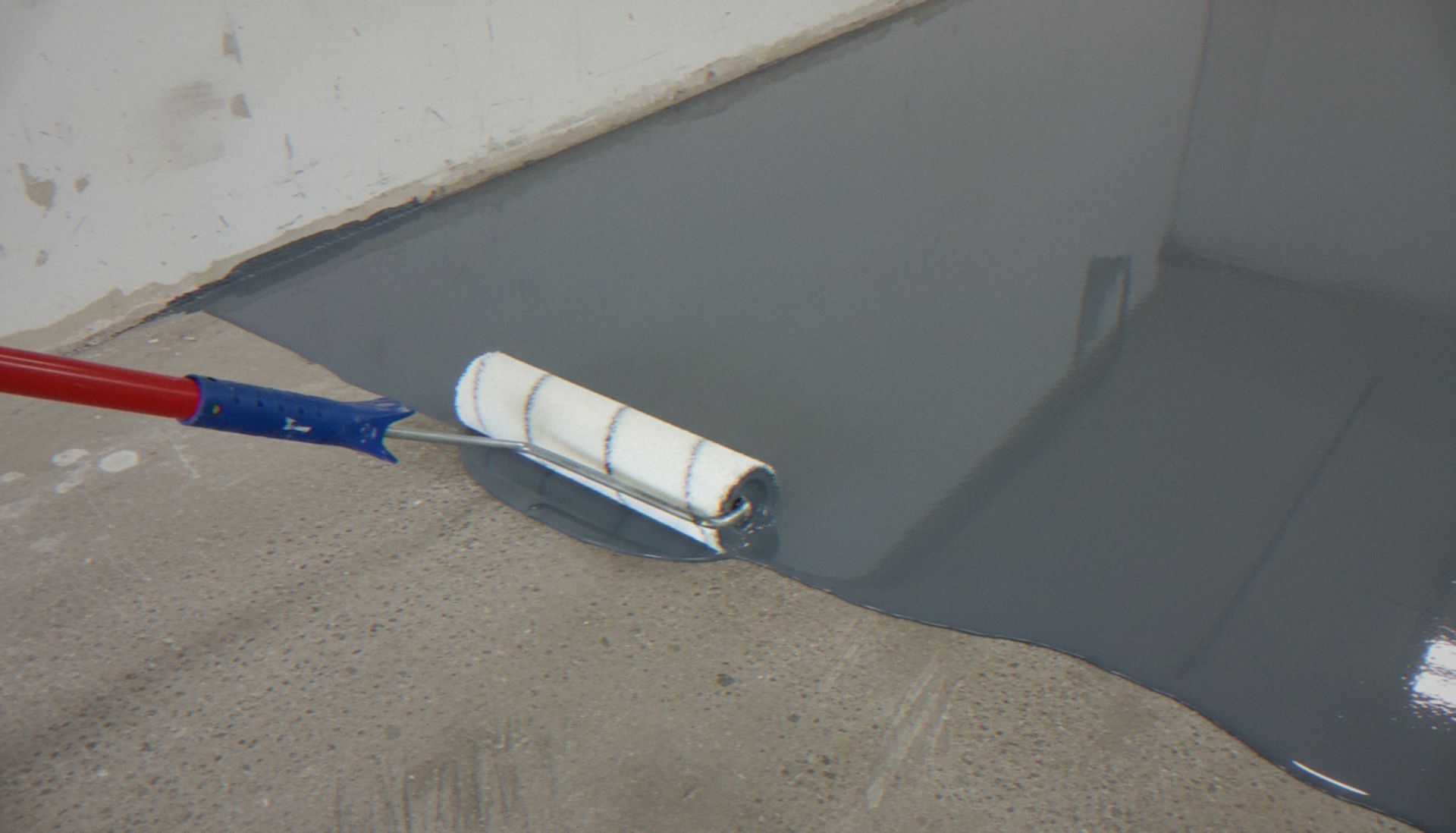
High-quality acrylic sealers are the most compatible coating choice for stamped concrete because they are the same product category as the original sealer the concrete was finished with, which means adhesion compatibility is straightforward when the surface is properly prepared. Acrylic sealers are available in solvent-based and water-based formulations, in matte and gloss sheen levels, and in clear or color-tinted versions that can refresh or modify the original color of the stamped concrete.
For homeowners whose primary goal is restoring the appearance of existing stamped concrete without significantly changing its character, a high-quality acrylic sealer applied to a properly prepared surface achieves that goal efficiently. The limitation of acrylic sealers is that they require reapplication more frequently than more durable coating systems, typically every two to five years in Colorado's UV environment, and they do not provide the chemical resistance or long-term durability of polyurea-based systems.
Polyurea Topcoats
Polyurea topcoat systems applied over a compatible primer layer provide significantly greater durability and UV stability than acrylic sealers and are appropriate for stamped concrete patios that experience heavy use, furniture traffic, or exposure conditions that accelerate acrylic sealer degradation. The flexibility of polyurea systems is particularly relevant for Colorado outdoor applications, where thermal cycling creates expansion and contraction stress that more rigid coating systems handle less well.
The color and sheen options available in polyurea topcoats are more limited than in decorative acrylic systems, which makes them more appropriate for homeowners prioritizing performance and longevity over decorative flexibility. For stamped concrete where the pattern and color are well-preserved, and the goal is maximum protection, a clear or lightly tinted polyurea topcoat delivers long-term protection without altering the decorative character of the surface significantly. Why polyurea coatings are superior to epoxy for garage floors covers the material performance advantages that make polyurea systems the preferred choice for demanding applications.
Color Enhancement and Restoration Options
For stamped concrete where the color has faded significantly from UV exposure, coating systems that include color restoration alongside protection address both the aesthetic and protective goals simultaneously. Tinted sealers, color-enhancing primers, and decorative topcoats can refresh faded colors, correct uneven color distribution from years of weathering, and restore the visual depth that makes stamped concrete attractive.
Color restoration as part of a coating project requires careful color matching to the original concrete color if the goal is restoration rather than transformation, or a clear design direction if the goal is to update the color scheme of the patio. A professional coating contractor can evaluate the existing color condition and recommend an approach that achieves the desired visual outcome alongside the protection the surface needs. Enhance your patio with durable concrete coatings covers the design and performance outcomes achievable with professional exterior coating systems for patio surfaces.
What to Expect From a Coated Stamped Concrete Patio
Setting realistic expectations about the outcome of coating stamped concrete helps homeowners evaluate whether the investment aligns with their goals for the space.
A professionally coated stamped concrete patio will look significantly better than one with a degraded sealer. The pattern will be more defined, the color will be more consistent, and the surface will have the visual quality that makes stamped concrete worth having in the first place. The coating will protect the surface from the UV exposure, moisture infiltration, and staining that cause stamped concrete to deteriorate, extending the functional life of the decorative concrete investment.
A coated stamped concrete surface will not look identical to freshly installed stamped concrete if significant color fading or surface weathering has occurred before coating. Coating restores and protects what is there. It does not reverse concrete weathering that has affected the color hardener or integral pigment at a depth below what the coating reaches. For severely faded or weathered stamped concrete, managing expectations about the degree of color restoration achievable through coating versus through more extensive color correction treatments is an honest part of the project conversation.
Ongoing maintenance requirements after coating depend on the coating system applied. Acrylic sealers need periodic reapplication as described above. More durable polyurea systems require less frequent intervention but still benefit from regular cleaning and periodic inspection. Maintaining your concrete coatings provides practical guidance on keeping coated concrete surfaces performing well over time.
Frequently Asked Questions About Coating Stamped Concrete
Will the coating fill in the texture and pattern of my stamped concrete?
No. A properly applied coating follows the surface profile of the stamped pattern rather than filling it in. The texture and relief that give stamped concrete its decorative character remain fully visible after coating and often appear more defined because a fresh coating enhances color depth and surface reflectivity in a way that a degraded sealer does not. The goal of coating stamped concrete is to restore and protect the existing pattern, not to cover it.
Can I change the color of my stamped concrete patio through coating?
Yes, within limits. Tinted sealers and color-enhancing coating systems can modify the color of existing stamped concrete, darken it, shift its tone, or refresh faded colors toward the original. Significant color changes, such as going from a warm tan to a cool gray, are more complex and may require more involved color preparation than simple tinting. A professional coating contractor can evaluate what color adjustment is achievable for your specific surface and recommend an approach that produces the desired outcome without compromising the coating's protective function. Transform your patio with Keas Concrete Coatings covers the design possibilities available through professional exterior coating systems.
How do I know if my stamped concrete needs coating or replacement?
Coating is the appropriate solution when the concrete substrate is structurally sound, and the primary issues are sealer failure, color fading, surface staining, or loss of the protective coating layer. If the concrete itself has significant cracking, spalling, or structural deterioration, coating addresses the surface appearance without resolving the underlying structural issues. A professional assessment that evaluates both the concrete condition and the sealer condition gives homeowners the information they need to choose between coating and more extensive intervention.
How long does a stamped concrete coating last in Colorado?
Longevity depends on the coating system applied and the outdoor exposure conditions. High-quality acrylic sealers on a properly prepared stamped concrete surface in Colorado typically last two to five years before reapplication is needed, with UV exposure being the primary degradation driver. More durable polyurea-based systems last significantly longer, typically ten years or more, but are specified less often for stamped concrete because of the decorative flexibility that acrylic systems provide. Professional installation quality and proper surface preparation are the most significant variables affecting how long any coating system lasts.
Is coating stamped concrete a DIY-appropriate project?
The preparation phase, which involves chemical stripping of existing sealers and potentially mechanical preparation, is generally not DIY-appropriate because improper preparation is the primary cause of coating failure and because chemical strippers and mechanical equipment require professional handling. The coating application itself is more accessible but requires product knowledge, proper application technique, and understanding of the specific compatibility requirements between the preparation approach, the existing surface condition, and the coating system being applied. The cost difference between DIY and professional installation is rarely large enough to justify the risk of a preparation or compatibility failure that requires the project to be redone. The cost of concrete coatings and what to expect covers the cost considerations that inform the DIY versus professional installation decision for concrete coating projects.
Can stamped concrete coating be applied in Colorado winters?
Most coating systems have minimum temperature requirements for application, typically above 50 degrees Fahrenheit for both the ambient temperature and the concrete surface temperature. Colorado's winters frequently fall below these thresholds, making winter coating of outdoor surfaces impractical for most of the season. Late spring through early fall is the optimal window for stamped concrete coating in Colorado, with late summer and early fall being particularly good timing because it allows the new coating to cure and stabilize before freeze-thaw cycling begins. Why spring is the best time for concrete coatings covers the seasonal timing considerations that affect outdoor coating project planning in Colorado's climate.
Restore Your Stamped Concrete Before Another Colorado Winter Takes Its Toll
A professionally coated stamped concrete patio looks better, lasts longer, and requires less maintenance than one with a degraded sealer. Contact Keas Concrete Coatings for a free quote. Denver: 303-999-8121. Colorado Springs: 719-432-6490. Or request a quote online.